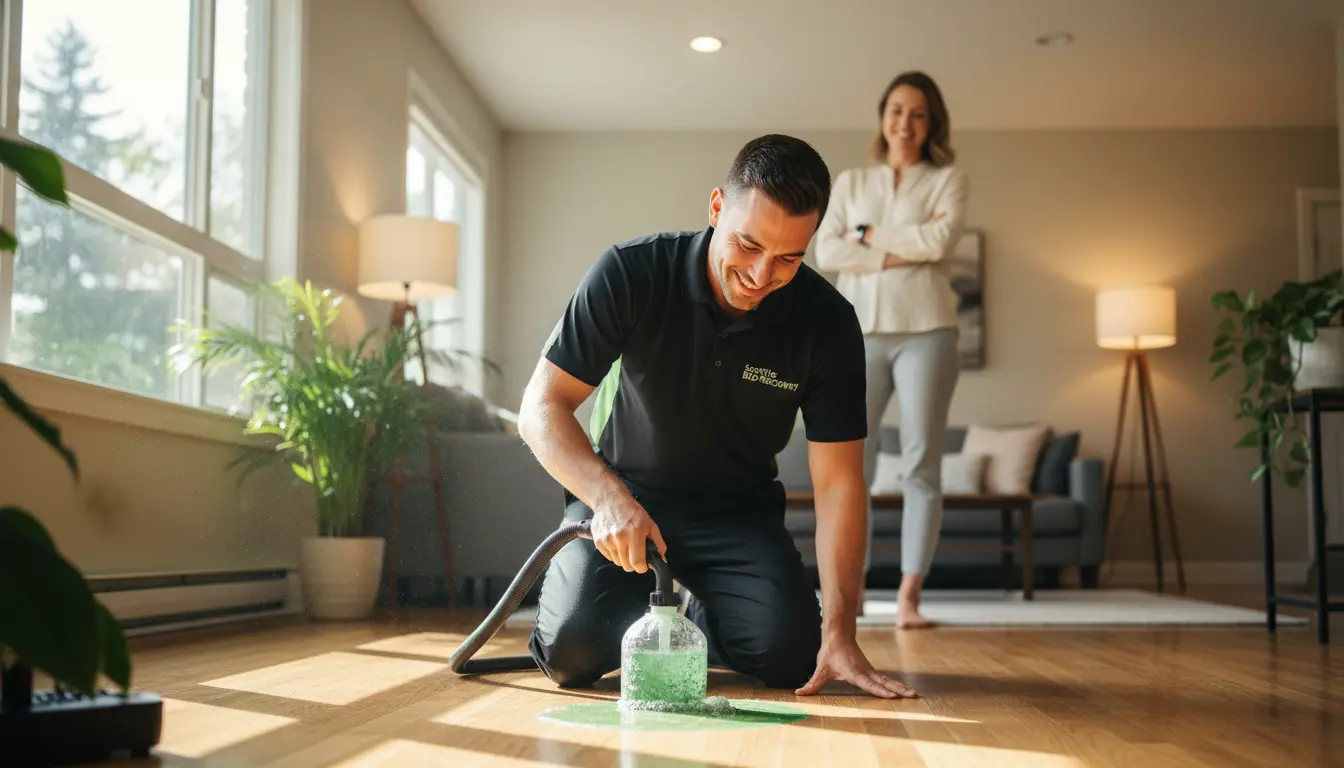
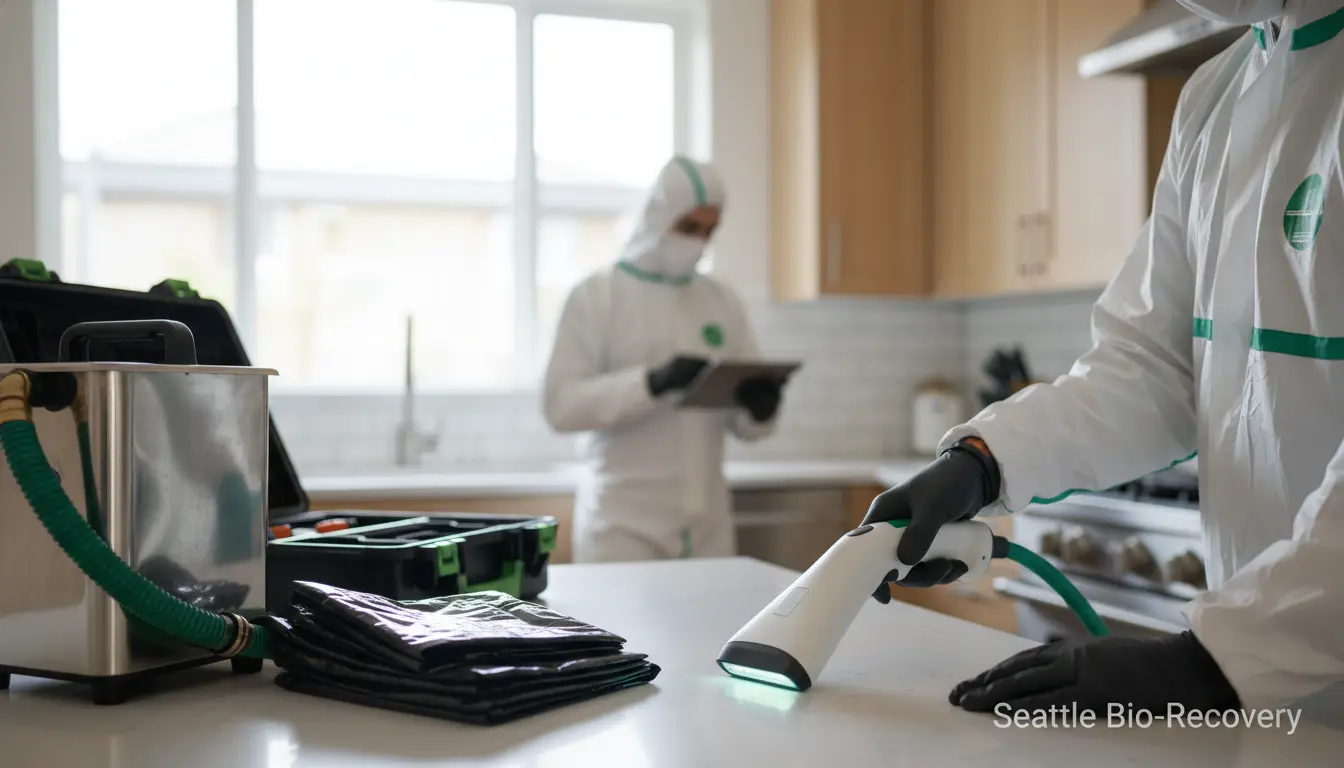
In the bustling city of Seattle, where urban life meets natural beauty, unexpected incidents can disrupt homes and businesses. From suicide cleanup services in Capitol Hill apartments to sewer biohazard cleaning in Ballard neighborhoods, bio-recovery services are essential for restoring safety and peace of mind. At Seattle Bio-Recovery, we’ve seen it all and understand the confusion and urgency these situations bring.
If you’re facing a biohazard—whether it’s a medical emergency aftermath or environmental contamination—you’re not alone. This blog post answers 10 of the most common questions we hear from Seattle residents and property managers. We’ll break down what bio-recovery entails, why it’s crucial, and how our team can help, with practical tips tailored to our rainy Pacific Northwest climate. Let’s dive in and empower you with knowledge to handle these challenging scenarios.
What Exactly Are Bio-Recovery Services?
Defining Bio-Recovery in Simple Terms
Bio-recovery services involve the professional removal, cleaning, and disinfection of hazardous biological materials. Think blood, bodily fluids, or pathogens from incidents like unattended deaths, accidents, or sewage overflows. Unlike standard cleaning, bio-recovery requires specialized equipment and protocols to eliminate health risks.
In Seattle, where dense housing in areas like Capitol Hill can amplify contamination spread, quick action is vital. Our team at Seattle Bio-Recovery uses EPA-approved disinfectants to ensure surfaces are safe, preventing issues like mold growth in our humid environment.
Why Professional Help Beats DIY
Attempting DIY cleanup exposes you to diseases like hepatitis or bacterial infections. Professionals wear PPE (personal protective equipment) and follow OSHA guidelines. A practical tip: If you suspect a biohazard, secure the area with tape and ventilate—then call experts immediately to avoid cross-contamination.
When Do You Need Bio-Recovery Services in Seattle?
Common Scenarios Requiring Immediate Response
Bio-recovery is needed after traumatic events, such as suicides, homicides, or infectious disease outbreaks. For instance, in Lynnwood homes, hoarding situations can lead to bio-waste buildup, while Seattle’s frequent floods might cause pathogen decontamination services needs.
Another key trigger: Unattended deaths, where decomposition occurs. In our temperate climate, this can happen faster than expected, leading to odors that permeate structures.
Signs It’s Time to Call Seattle Bio-Recovery
Look for visible fluids, foul smells, or pest attraction. Actionable advice: Document the scene with photos for insurance but avoid touching anything. We’re available 24/7—dial (206) 699-1422 for a rapid response, often arriving within hours in metro areas like Redmond.
How Does the Bio-Recovery Process Work?
Step-by-Step Breakdown
-
Assessment: We arrive, evaluate the site, and create a safety plan. In Seattle’s variable weather, we prioritize containing runoff.
-
Containment and Removal: Using barriers, we remove biohazards. For biohazard waste disposal, we ensure compliance with local regulations, transporting waste to certified facilities.
-
Cleaning and Decontamination: High-level disinfection follows, targeting porous and non-porous surfaces.
-
Restoration: We deodorize and restore the space, often coordinating with contractors for repairs.
Practical tip: Prepare by knowing your policy covers biohazards—most homeowners’ insurance does, but confirm with your agent.
Timeline and What to Expect
Most jobs take 4-8 hours, depending on severity. In compact Seattle spaces like Issaquah condos, we minimize disruption. Post-cleanup, we provide certification for peace of mind.
What Are the Costs Involved in Bio-Recovery?
Factors Influencing Pricing
Costs vary by size, hazard level, and location. A small apartment cleanup in Ballard might start at $1,500, while larger odor control treatment in Redmond could reach $5,000+. Seattle’s traffic can add travel fees, but we optimize routes.
Insurance and Financial Tips
Many claims are covered under liability or property policies. Tip: File promptly and get multiple quotes, but choose certified pros like us for quality. We offer transparent pricing—no hidden fees—and work with insurers directly.
Is Bio-Recovery Safe for My Family and Pets?
Health Risks and Mitigation
Untreated biohazards pose serious threats, including airborne pathogens. Our process ensures 99.99% elimination using hospital-grade solutions.
In pet-friendly Seattle neighborhoods, we use non-toxic agents safe for animals post-cleanup. Advice: Keep family and pets away during the process; we’ll advise on re-entry.
How Long Does Odor Removal Take After Bio-Recovery?
Addressing Lingering Smells
Odors from decomposition can last weeks if not handled properly. Our odor control treatment uses ozone generators and enzyme cleaners, often resolving issues in 24-48 hours.
Local note: Seattle’s damp air exacerbates smells, so we seal and ventilate thoroughly. Tip: Use HEPA filters in HVAC systems afterward for ongoing air quality.
Do You Handle Bio-Recovery for Businesses in Seattle?
Commercial vs. Residential Services
Absolutely— from offices in Downtown to restaurants in Issaquah, we tailor approaches. Businesses face unique regs under health codes.
Tip: For workplaces, notify OSHA if injuries occur. We provide discreet service to minimize downtime.
What Certifications Should a Bio-Recovery Company Have?
Ensuring Quality and Compliance
Look for IICRC certification, biohazard training, and local licenses. Seattle Bio-Recovery meets all, plus we’re bonded and insured.
Actionable advice: Verify via the Better Business Bureau. Avoid unlicensed operators to prevent legal issues.
Can Bio-Recovery Prevent Future Health Issues?
Long-Term Benefits
Yes—thorough decontamination reduces mold and bacteria risks, especially in Seattle’s rainy season. We also offer preventive audits for high-risk properties.
Tip: Schedule annual inspections if you live in flood-prone Redmond areas.
How to Choose the Right Bio-Recovery Service in Seattle?
Key Selection Criteria
Prioritize experience, response time, and reviews. We’re proud of our 5-star ratings from Seattle clients.
Local tip: Choose a company familiar with Puget Sound regulations. Contact us for a free consultation.
FAQ: Quick Answers to Bio-Recovery Queries
1. How quickly can Seattle Bio-Recovery respond?
We aim for 60-90 minutes in Seattle proper, extending to surrounding areas like Lynnwood.
2. Is bio-recovery covered by homeowners’ insurance?
Often yes, under biohazard or cleanup riders. We’ll assist with claims.
3. What if the incident involves a crime scene?
We coordinate with law enforcement, preserving evidence while cleaning.
4. Are your services eco-friendly?
We use biodegradable agents and minimize waste, aligning with Seattle’s green ethos.
5. Do you offer post-cleanup support?
Yes, including follow-up visits and restoration referrals.
Conclusion: Restore Safety with Seattle Bio-Recovery
Navigating bio-recovery questions can feel overwhelming, but armed with this info, you’re better prepared for Seattle’s unpredictable challenges. From pathogen decontamination services in Ballard to comprehensive cleanups in Capitol Hill, Seattle Bio-Recovery is your trusted partner.
Don’t delay—biohazards worsen over time. Call us at (206) 699-1422 today for compassionate, expert service. Let’s reclaim your space and serenity.