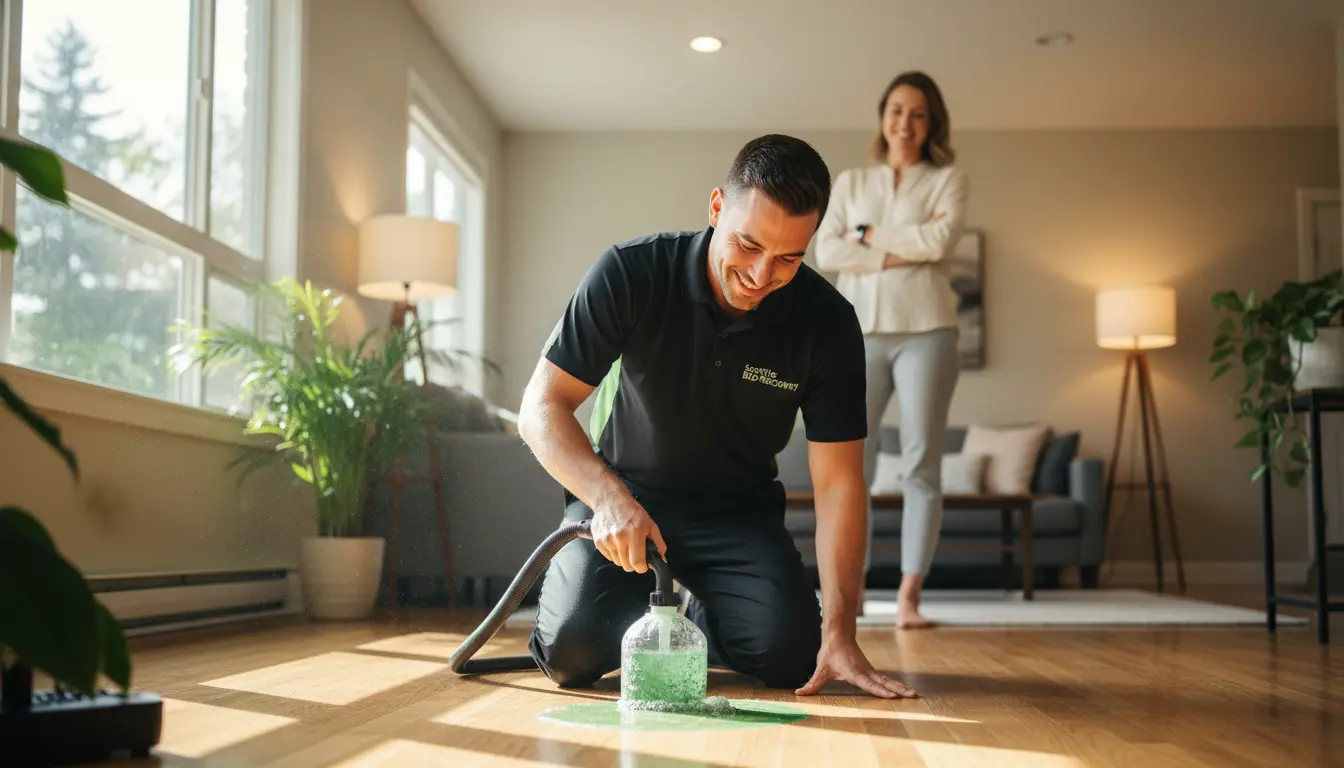
Hazardous waste removal and biohazard cleanup are two terms often used interchangeably, but they have distinct differences in terms of the type of waste being handled, the procedures involved, and the level of expertise required. Understanding these differences is crucial for individuals and organizations dealing with potentially hazardous situations. In the context of Seattle and its surrounding areas, the damp climate can accelerate biological decay, making it essential to address biohazardous materials promptly and professionally.
A key distinction lies in the nature of the waste. Hazardous waste removal typically involves the disposal of materials that are harmful to the environment or human health due to their chemical, biological, or physical properties. This can include industrial by-products, pesticides, and certain types of medical waste. On the other hand, biohazard cleanup focuses on the remediation of biological agents that pose a threat to human health, such as bloodborne pathogens, bacteria, and viruses. This type of cleanup often requires specialized equipment and training to ensure safe handling and disposal.
In Seattle, the importance of professional bio-recovery services cannot be overstated. The local climate, with its high levels of rainfall and humidity, can exacerbate the growth of harmful microorganisms, making prompt and effective biohazard cleanup critical. Seattle Bio-Recovery, as a premier service provider in the area, offers expertise in both hazardous waste removal and biohazard cleanup, ensuring that properties are not only safe but also restored to a habitable condition.
Technical Process of Biohazard Cleanup
The process of biohazard cleanup involves several meticulous steps, starting from the initial assessment of the scene to the final clearance testing. Upon arrival, technicians conduct a thorough evaluation to identify all areas contaminated with biological materials. This assessment is crucial for determining the scope of work and the necessary personal protective equipment (PPE) for the technicians. Scene containment is then established to prevent cross-contamination and ensure that the biohazardous materials are isolated from the rest of the property.
Following containment, the biological material removal process begins. This involves the careful collection and disposal of all visible signs of biological fluids, tissue, or other hazardous materials. The removal process is followed by sanitization, where all surfaces are treated with EPA-registered hospital-grade disinfectants to eliminate any remaining pathogens. Structural remediation may also be necessary, especially in cases where the biological agents have penetrated deep into the building materials, requiring the removal and replacement of affected structures.
Tools such as ATP fluorescence meters are used to verify the effectiveness of the sanitization process. These meters measure the amount of adenosine triphosphate (ATP), the energy currency of all living cells, on surfaces, providing a quantitative assessment of the level of biological contamination. Hydroxyl generators and HEPA negative air machines are also utilized to break down odor molecules and capture airborne pathogens, respectively, further ensuring the safety and cleanliness of the environment.
Data Comparison
When considering the differences between professional bio-recovery services and standard cleaning or DIY approaches, several key factors come into play. The following comparison highlights the distinct benefits of professional biohazard cleanup:
| Feature/Metric | Professional Bio-Recovery | Standard Cleaning/DIY |
|---|---|---|
| Pathogen Elimination | 99.99% effective with proper equipment and training | Variable effectiveness, often less than 90% |
| Structural Penetration | Addressed through targeted remediation techniques | Often overlooked, leading to hidden contaminants |
| Legal/OSHA Compliance | Ensured through adherence to strict protocols and regulations | Not guaranteed, potentially leading to legal and health issues |
Source: OSHA Bloodborne Pathogens Standard
Expert Insights
Experts in the field of biohazard remediation stress the importance of immediate action in securing and isolating the scene to prevent further contamination. Shutting down HVAC systems is also crucial to prevent the spread of airborne pathogens throughout the property. Additionally, the use of inappropriate cleaning solutions, such as household bleach, can have severe consequences, including the amplification of certain biological risks and damage to materials and surfaces.
Common mistakes made by property owners include underestimating the severity of the biohazard, attempting DIY cleanup without proper training and equipment, and failing to address hidden areas of contamination, such as sub-flooring. These mistakes can lead to lingering bio-hazards, severe structural damage, and significant health risks for occupants.
Pricing
The cost of biohazard cleanup services can vary widely depending on several factors, including the size of the affected area, the type and severity of the biological agents present, and the extent of structural remediation required. Services may be billed on an hourly basis, with rates ranging from $100 to $300 per hour, depending on the complexity of the job and the expertise of the technicians involved. Flat fees may also be quoted for specific types of incidents, such as crime scene cleanup or unattended death removal, with prices starting at around $1,000 and going up to $10,000 or more, based on the scope of work.
Project-based quoting is another common approach, where the total cost is estimated based on the specific requirements of the cleanup, including the number of technicians needed, the amount of equipment and supplies required, and the anticipated duration of the project. Factors that influence cost include bio-hazardous waste disposal fees, which can range from $50 to $500 per pound, depending on the type of waste and local regulations; the level of PPE required, with more extensive gear necessitating higher costs; structural tear-outs, which can significantly increase the cost due to the need for reconstruction; and the severity of biological fluid spread, which affects the amount of cleaning and disinfection required.
Safety & Standards
Safety is paramount in biohazard remediation, with technicians adhering to strict safety protocols outlined by OSHA 29 CFR 1910.1030, the Bloodborne Pathogens Standard. This includes the use of appropriate PPE, such as gloves, masks, and eye protection, to prevent exposure to biological agents. The importance of certifications, such as those offered by the American Bio-Recovery Association (ABRA) or the Institute of Inspection, Cleaning and Restoration Certification (IICRC), cannot be overstated, as they ensure that technicians have the necessary knowledge and skills to perform biohazard cleanup safely and effectively.
The use of EPA-registered hospital-grade disinfectants is also critical, as these products have been proven to effectively eliminate a wide range of pathogens, including bacteria, viruses, and fungi. By following established safety protocols and using approved disinfectants, biohazard remediation services can restore properties to a safe and healthy condition, minimizing the risk of infection and ensuring compliance with relevant laws and regulations.
FAQs
What is the typical response time for biohazard cleanup services?
The response time for biohazard cleanup services can vary depending on the location and the severity of the incident. However, most professional bio-recovery companies, like Seattle Bio-Recovery, aim to respond within 1 to 2 hours of the initial call. This prompt response is crucial for preventing the spread of biological agents and reducing the risk of health hazards.
Is biohazard cleanup covered by homeowner’s insurance?
In many cases, biohazard cleanup is covered by homeowner’s insurance, especially if the incident is sudden and accidental, such as a death or a significant injury. However, policy coverage can vary, and it’s essential to review your insurance policy or consult with your insurance provider to understand what is covered and what is not. Seattle Bio-Recovery works closely with insurance companies to ensure a smooth and stress-free process for their clients.
How do I know if a biohazard cleanup company is reputable and trustworthy?
When selecting a biohazard cleanup company, it’s crucial to look for certifications from reputable organizations, such as ABRA or IICRC, which indicate that the company meets certain standards of competence and ethics. Additionally, checking online reviews, asking for references, and ensuring that the company is properly licensed and insured can provide peace of mind and assurance of quality service.
What safety precautions should I take if I encounter a biohazardous situation?
If you encounter a biohazardous situation, the first and most important step is to ensure your safety and the safety of others. This typically involves isolating the area to prevent cross-contamination, wearing appropriate PPE if you must enter the area, and avoiding any direct contact with biological materials. It’s also essential to contact a professional biohazard cleanup service as soon as possible to handle the situation safely and effectively.
Conclusion
In conclusion, the difference between hazardous waste removal and biohazard cleanup is significant, with each requiring specialized techniques, equipment, and expertise. For residents and businesses in Seattle and its surrounding areas, understanding these differences and knowing when to seek professional help is vital for ensuring safety, compliance with regulations, and the restoration of properties to a healthy and habitable condition. Seattle Bio-Recovery stands as a trusted and experienced partner in biohazard remediation, offering compassionate, discreet, and highly effective services tailored to the unique needs of each client.
By choosing a certified and experienced bio-recovery service, individuals can navigate the challenges of biohazardous situations with confidence, knowing that their health, legal liability, and property values are protected. Whether facing the aftermath of a traumatic event, dealing with the complexities of hoarding cleanup, or addressing any other biohazardous scenario, Seattle Bio-Recovery is committed to providing the highest level of service, ensuring that each property is not only clean but also safe for occupancy.
For more information on biohazard cleanup and removal services, or to learn about the importance of professional bio-recovery in maintaining a safe and healthy environment, please visit our website at Seattle Bio-Recovery or contact us directly. Our team of experts is always ready to provide guidance, support, and immediate assistance whenever you need it.