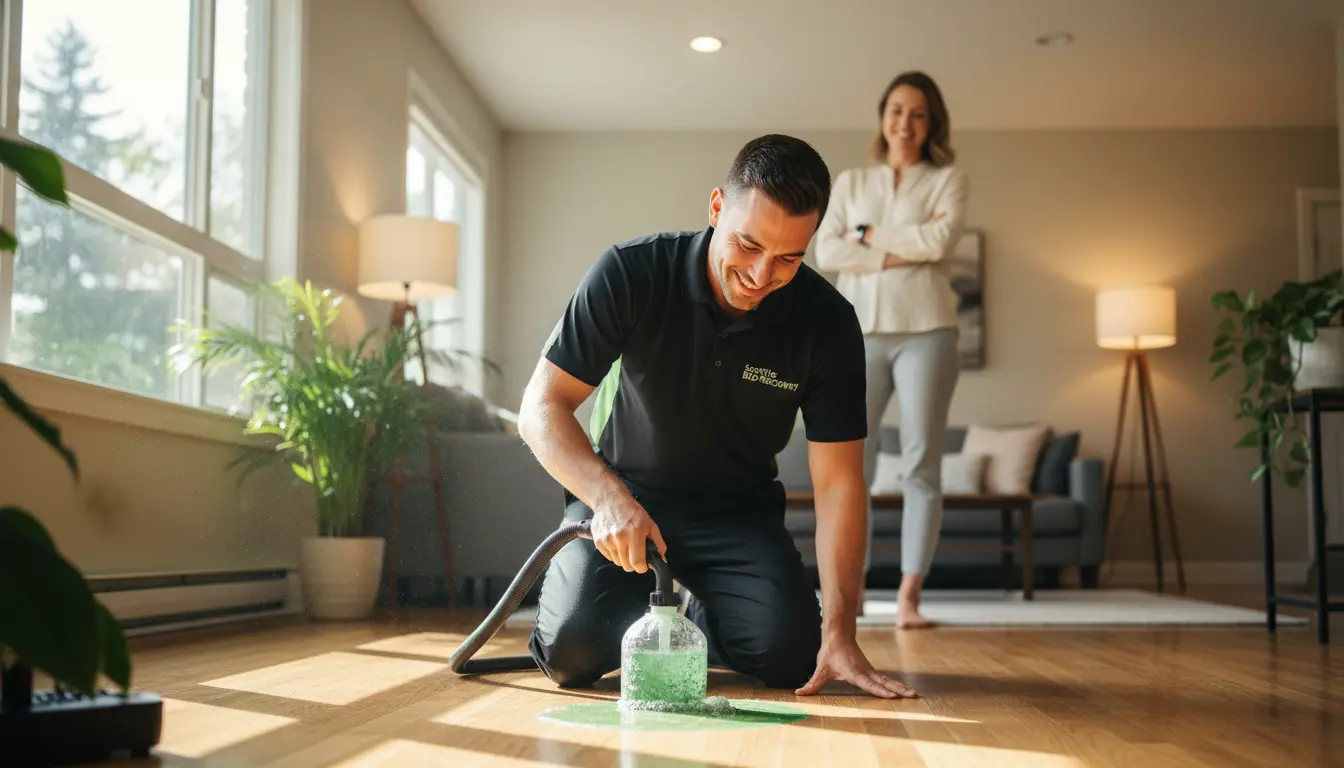
On a drizzly morning in Seattle, a concerned property manager called our team at Seattle Bio-Recovery to report a disturbing discovery in one of the apartments: a used needle and scattered drug paraphernalia. The tenant had vacated the premise without warning, leaving behind a hazardous environment that posed significant health risks to anyone who might enter the unit. This scenario is all too common in Seattle, where the opioid crisis and other substance abuse issues have led to an increase in biohazardous situations. As a certified senior bio-recovery expert, I can attest that why needle and drug paraphernalia cleanup requires certified technicians is not just a matter of safety, but also of legal compliance and compassion.
The risks associated with drug paraphernalia cleanup are very real, and they extend beyond the obvious dangers of needle sticks and bloodborne pathogens. In Seattle’s damp climate, biological materials can decay rapidly, leading to the growth of bacteria, viruses, and other microorganisms that can cause serious illnesses. Furthermore, the city’s typical architectural styles, with their emphasis on shared living spaces and communal areas, can facilitate the spread of infectious diseases if not properly addressed. That’s why professional bio-recovery services, rather than standard cleaning, are critical in Seattle.
Seattle Bio-Recovery is the premier service provider in the area, offering discreet, authoritative, and compassionate biohazard remediation. Our team of certified technicians is trained to handle even the most challenging situations, from crime scene cleanup to hoarding remediation, and we take pride in our ability to restore properties to a safe and healthy condition. If you’re facing a biohazardous situation, don’t hesitate to reach out to us for expert guidance and support. You can also visit our website to learn more about our services, including Crime Scene Cleanup and Suicide Cleanup Services.
Technical Process
A professional bio-recovery workflow involves a series of carefully planned steps, from initial assessment to clearance testing. The first step is to secure the scene, ensuring that all potential hazards are identified and contained. This may involve shutting down HVAC systems to prevent cross-contamination, as well as isolating the affected area to prevent the spread of infectious diseases. Next, our team conducts a thorough assessment of the situation, taking note of the types and amounts of biological materials present, as well as any potential risks or hazards.
Once the assessment is complete, we begin the process of removing biological materials, using specialized equipment such as ATP fluorescence meters and hydroxyl generators to ensure that all surfaces are properly sanitized. We also employ HEPA negative air machines to remove airborne pathogens and prevent cross-contamination. Throughout the process, our team follows strict protocols to minimize the risk of exposure, including the use of personal protective equipment (PPE) and EPA-registered disinfectants. For more information on the importance of proper sanitization, visit our Ultimate Guide to Biohazard Cleanup After Trauma.
Data Comparison
When it comes to biohazardous situations, it’s essential to understand the differences between professional bio-recovery services and standard cleaning or DIY approaches. The following table highlights some of the key differences:
| Feature/Metric | Professional Bio-Recovery | Standard Cleaning/DIY |
|---|---|---|
| Pathogen Elimination | 99.99% or higher | Variable, often inadequate |
| Structural Penetration | Thorough, including sub-flooring and walls | Superficial, often missing hidden areas |
| Legal/OSHA Compliance | Strict adherence to regulations | Often inadequate or non-compliant |
Source: OSHA Bloodborne Pathogens Standard
Expert Insights
On the other hand, property owners often make common mistakes that can have serious consequences. These include using household bleach on biological fluids, ignoring sub-flooring contamination, and failing to properly disinfect all surfaces. To learn more about the dangers of DIY cleanup, visit our Top 7 Myths About Bio Recovery Debunked for WA page.
Pricing
The cost of biohazard remediation services can vary widely, depending on factors such as the severity of the situation, the size of the affected area, and the level of PPE required. At Seattle Bio-Recovery, we offer competitive pricing structures, including hourly rates, flat fees for specific incident types, and project-based quoting. We also work closely with homeowners’ insurance companies to ensure that our services are covered and that our clients receive the support they need. For more information on pricing, visit our Contact Us page or give us a call.
Safety and Standards
At Seattle Bio-Recovery, we take safety and compliance very seriously. Our team is certified by the American Bio-Recovery Association (ABRA) and adheres strictly to OSHA regulations, including 29 CFR 1910.1030. We also use EPA-registered disinfectants and follow all applicable guidelines for hazardous waste disposal. By choosing our services, you can trust that your property will be restored to a safe and healthy condition, and that all necessary protocols will be followed to prevent cross-contamination and ensure compliance.
FAQs
What is the typical response time for biohazard remediation services?
At Seattle Bio-Recovery, we understand that time is of the essence in biohazardous situations. That’s why we offer rapid response times, often arriving on scene within hours of the initial call. Our team is available 24/7 to respond to emergencies and provide expert guidance and support. For more information on our response times, visit our About Us page.
How do I know if I need professional bio-recovery services?
If you’re facing a biohazardous situation, it’s essential to seek professional help. Look for signs such as visible blood or biological materials, strange odors, or unexplained stains. You can also visit our 5 Signs You Need Bio Recovery Services in Seattle page for more information.
What is the difference between biohazard remediation and standard cleaning?
Biohazard remediation involves the removal and disinfection of biological materials, such as blood and bodily fluids, using specialized equipment and protocols. Standard cleaning, on the other hand, may not address the underlying hazards and can often spread contamination. At Seattle Bio-Recovery, we offer expert biohazard remediation services that are designed to restore your property to a safe and healthy condition. For more information on the differences between biohazard remediation and standard cleaning, visit our Essential Steps for Hoarding Cleanup in Seattle page.
Do you offer services in my area?
Yes, we offer biohazard remediation services in Seattle and surrounding areas, including Issaquah, Mercer Island, and Belltown. Our team is available to respond to emergencies and provide expert guidance and support throughout the region.
Conclusion
In conclusion, why needle and drug paraphernalia cleanup requires certified technicians is a critical question that property owners and managers must consider. At Seattle Bio-Recovery, we offer expert biohazard remediation services that are designed to restore your property to a safe and healthy condition. Our team is certified, compassionate, and discreet, and we take pride in our ability to provide exceptional service and support. If you’re facing a biohazardous situation, don’t hesitate to reach out to us for expert guidance and support. You can also visit our Blog page to learn more about our services and the importance of proper biohazard remediation.