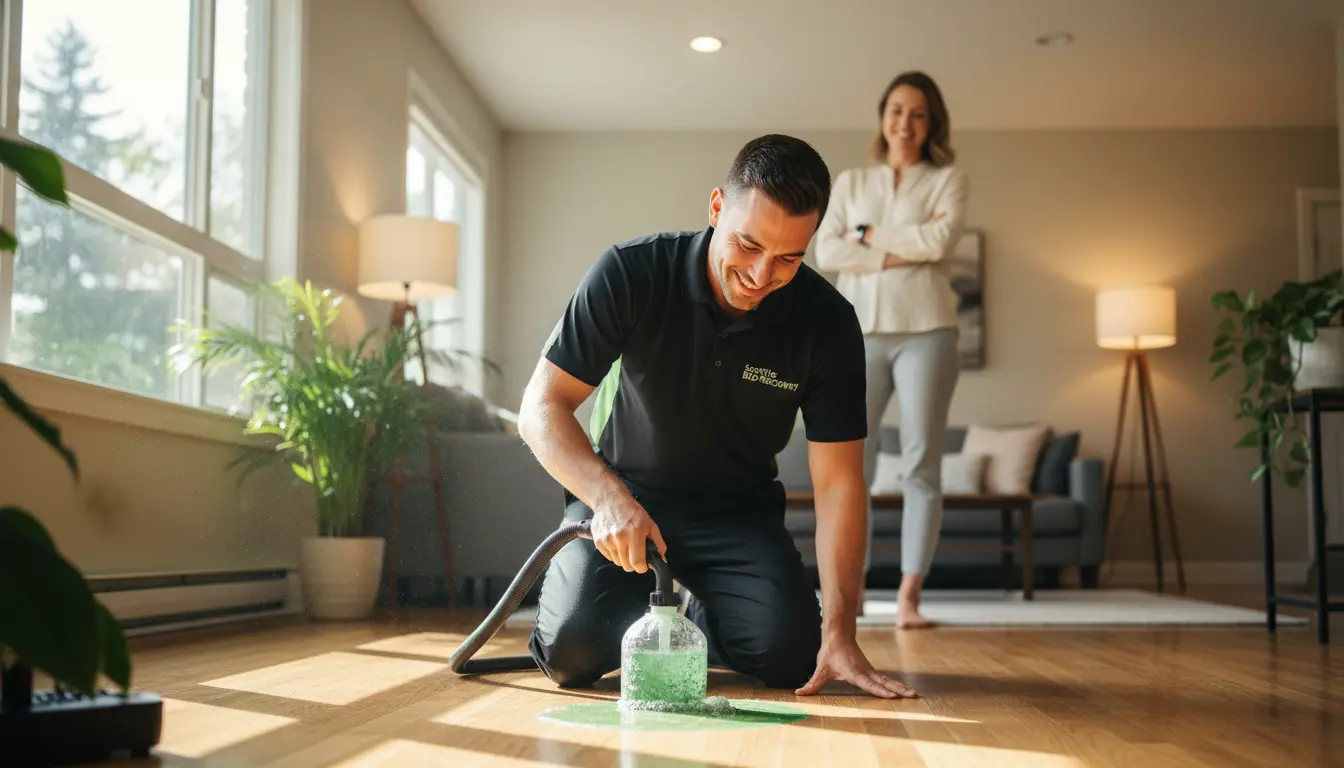
Bloodborne pathogens are infectious microorganisms in human blood that can cause disease in humans. These pathogens include, but are not limited to, hepatitis B, hepatitis C, and human immunodeficiency virus (HIV). It’s essential to distinguish bloodborne pathogens from other types of pathogens, such as those transmitted through the air or by vectors like insects. Unlike airborne pathogens, bloodborne pathogens are primarily transmitted through direct contact with infected blood or other bodily fluids, making them a significant concern in medical and occupational settings.
The risk of bloodborne pathogen transmission is particularly high in indoor environments where medical procedures are performed, or traumatic events occur. In Seattle, the damp climate can accelerate the growth of microorganisms, making prompt and proper cleanup crucial. The Occupational Safety and Health Administration (OSHA) has established guidelines to protect workers from bloodborne pathogens, emphasizing the importance of personal protective equipment (PPE), proper disposal of sharps and other medical waste, and regular cleaning and disinfection of surfaces.
Professional bio-recovery services, like those offered by Seattle Bio-Recovery, play a critical role in ensuring that indoor environments are thoroughly cleaned and disinfected after a traumatic event or medical procedure. Their expertise in handling bloodborne pathogens, combined with their knowledge of local regulations and environmental conditions, makes them an invaluable resource for individuals and businesses in the Seattle area. For more information on bio-recovery services, visit our blog or check out our guide on top tips for post-accident cleanup in Washington state.
Understanding Bloodborne Pathogens
Bloodborne pathogens can be transmitted through various means, including needlestick injuries, cuts or abrasions, and mucous membrane exposure. The risk of transmission is higher when the infected blood or bodily fluid is still wet, as this allows the pathogens to survive longer outside the human body. In addition to hepatitis B, hepatitis C, and HIV, other bloodborne pathogens include human T-cell leukemia virus (HTLV) and cytomegalovirus (CMV).
It’s crucial to note that bloodborne pathogens can also be transmitted through indirect contact, such as touching a contaminated surface or object. This is why proper cleaning and disinfection of surfaces, as well as the use of personal protective equipment (PPE), are essential in preventing the transmission of bloodborne pathogens. For more information on bio-recovery services and how they can help prevent the transmission of bloodborne pathogens, check out our 10 common questions on bio-recovery services answered.
The Importance of Professional Bio-Recovery
Professional bio-recovery services are essential in ensuring that indoor environments are thoroughly cleaned and disinfected after a traumatic event or medical procedure. These services involve the removal and disposal of blood and other bodily fluids, as well as the cleaning and disinfection of surfaces and objects. Professional bio-recovery technicians, like those at Seattle Bio-Recovery, are trained to handle bloodborne pathogens and other biohazards, and they use specialized equipment and techniques to minimize the risk of transmission.
In addition to preventing the transmission of bloodborne pathogens, professional bio-recovery services can also help to reduce the risk of other health problems, such as the growth of mold and bacteria. By removing and disposing of blood and other bodily fluids, as well as cleaning and disinfecting surfaces and objects, professional bio-recovery technicians can help to create a safe and healthy indoor environment. For more information on how Seattle businesses prepare for biohazard incidents, check out our guide on how Seattle businesses prepare for biohazard incidents.
The Role of Local Bio Recovery Experts
Local bio recovery experts, such as those at Seattle Bio-Recovery, play a critical role in ensuring that indoor environments are thoroughly cleaned and disinfected after a traumatic event or medical procedure. These experts have knowledge of local regulations and environmental conditions, which is essential in providing effective bio-recovery services. They also have access to specialized equipment and techniques, which allows them to minimize the risk of transmission and create a safe and healthy indoor environment.
In addition to their technical expertise, local bio recovery experts are also sensitive to the emotional and psychological needs of individuals and families who have experienced a traumatic event. They understand the importance of discretion and compassion, and they work to provide a supportive and non-judgmental environment throughout the bio-recovery process. For more information on why local bio recovery experts matter in Puget Sound, check out our guide on why local bio recovery experts matter in Puget Sound.
Conclusion
In conclusion, bloodborne pathogens are a serious concern in indoor environments, particularly in medical and occupational settings. Professional bio-recovery services, like those offered by Seattle Bio-Recovery, are essential in ensuring that these environments are thoroughly cleaned and disinfected after a traumatic event or medical procedure. By understanding the risks associated with bloodborne pathogens and the importance of professional bio-recovery, individuals and businesses can take steps to protect themselves and others from the transmission of these pathogens. For more information on bio-recovery services and how they can help prevent the transmission of bloodborne pathogens, contact us today.
At Seattle Bio-Recovery, we are committed to providing effective and compassionate bio-recovery services to individuals and businesses in the Seattle area. Our team of experts is trained to handle bloodborne pathogens and other biohazards, and we use specialized equipment and techniques to minimize the risk of transmission. We understand the importance of discretion and compassion, and we work to provide a supportive and non-judgmental environment throughout the bio-recovery process. For more information on our services, visit our website or check out our about us page.
We serve a wide range of areas, including Issaquah, Mercer Island, Belltown, University District, Magnolia, West Seattle, Lynnwood, Everett, Renton, and Redmond. We also provide services for hoarding cleanup in Seattle, shocking stats on biohazards in King County area, and top 7 myths about bio recovery debunked for WA. For more information, 5 signs you need bio recovery services in Seattle or how to safely handle unattended death in Seattle homes.