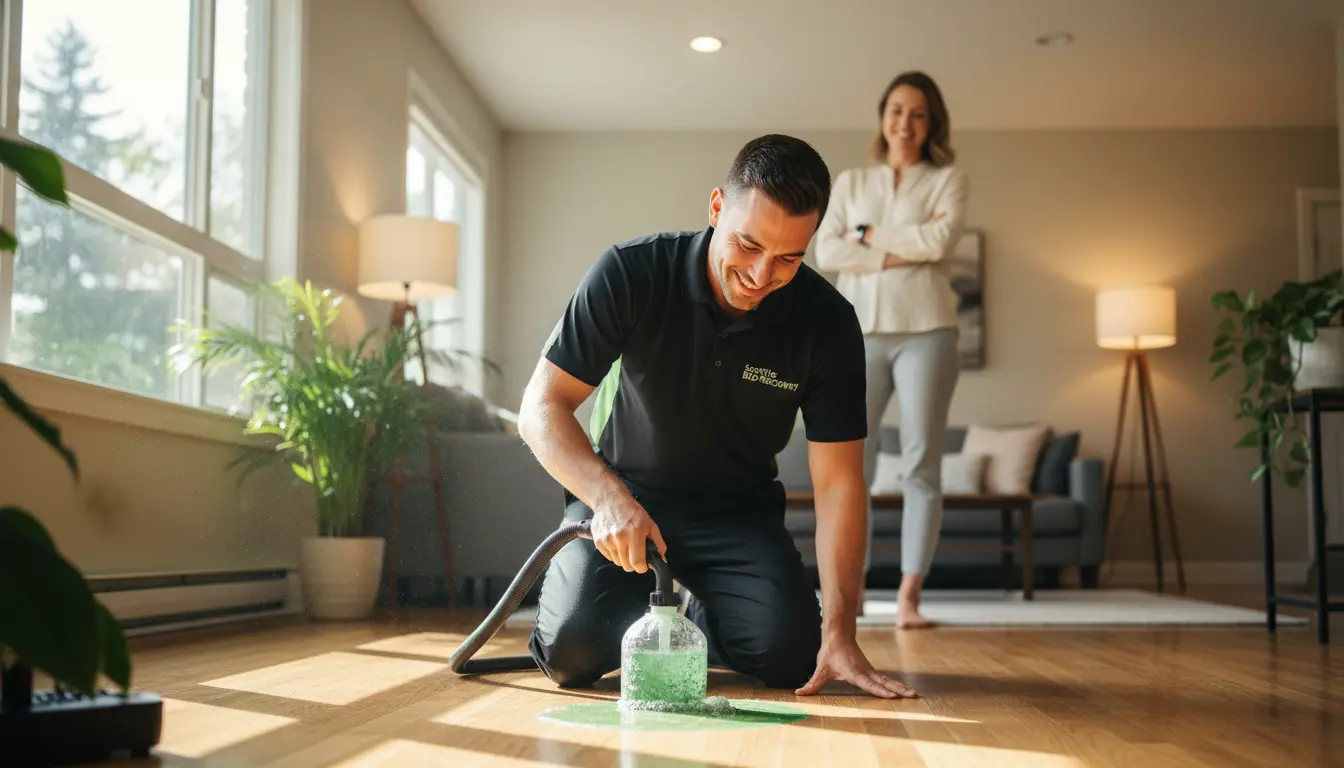
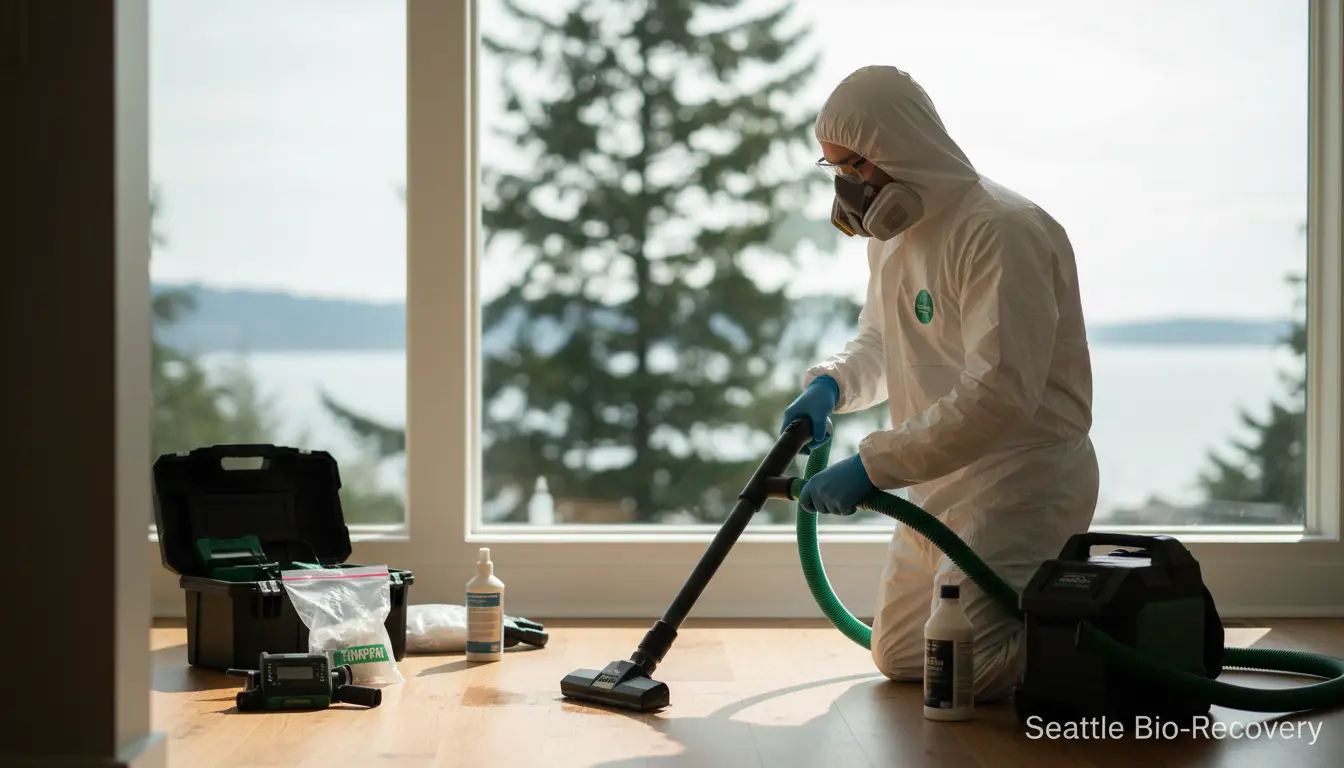
Imagine waking up to a distressing situation in your Seattle home—a loved one has passed unattended, or a sewer backup has turned into a biohazard nightmare. The Puget Sound region’s misty mornings and rainy afternoons only compound the urgency. In these moments, you need more than just any cleanup crew; you need local bio-recovery experts who understand the lay of the land. At Seattle Bio-Recovery, we’ve seen it all, from unattended death removal in cozy West Seattle bungalows to sewer biohazard cleaning in the bustling University District. This blog explores why choosing local pros makes all the difference in restoring safety and sanity to your space.
Understanding Bio-Recovery Services
Bio-recovery isn’t your standard janitorial service. It involves the meticulous handling, removal, and decontamination of biological hazards that pose serious health risks. Think bloodborne pathogens, bodily fluids, or infectious materials from crimes, accidents, or medical emergencies. In the Puget Sound area, where dense urban living meets natural waterways, these incidents can escalate quickly if not addressed by trained professionals.
What Exactly Does Bio-Recovery Entail?
At its core, bio-recovery encompasses several key processes. First, there’s the secure containment and transport of hazardous materials to prevent cross-contamination. Then comes the deep cleaning using EPA-approved disinfectants to eliminate pathogens. Finally, there’s restoration to make the space livable again. For Seattle residents, this might mean dealing with pathogen decontamination services after a hoarding situation in Magnolia’s historic homes or a crime scene in Everett’s industrial zones.
Local experts like Seattle Bio-Recovery are certified in OSHA standards and equipped with the latest PPE (personal protective equipment). We don’t just clean; we safeguard public health, ensuring no lingering risks to you, your family, or future occupants.
The Importance of Local Expertise in Puget Sound
Why go local when national chains promise quick fixes? The answer lies in the nuances of the Puget Sound region. From Seattle’s ferry-dependent islands to the mainland’s varied topography, a one-size-fits-all approach falls short.
Navigating Local Regulations and Permits
Washington State has stringent biohazard disposal laws, influenced by the Department of Ecology’s oversight of our sensitive ecosystems. Local teams know the ins and outs—permitting for waste transport across the Sound, compliance with King County’s health codes, and coordination with Seattle Fire Department protocols for hazmat scenes. Hiring out-of-towners could lead to delays or fines, turning a crisis into a logistical headache.
For instance, in Mercer Island with its affluent, lakeside properties, we ensure discreet, regulation-compliant service that respects privacy and the environment. Our deep knowledge prevents costly mistakes that distant providers might overlook.
Quick Response Times Tailored to Seattle’s Traffic and Geography
Time is critical in bio-recovery; pathogens thrive in untreated environments. Seattle’s infamous traffic—think I-5 gridlock during rush hour or backups on the 520 bridge—demands a response team that’s already in the area. Seattle Bio-Recovery maintains a fleet stationed across Puget Sound, allowing us to arrive within hours, not days.
Whether it’s an emergency in West Seattle across the bridge or a urgent call from Magnolia, our local presence means faster containment and less exposure risk. National services? They might reroute from afar, leaving you waiting while hazards fester.
Challenges Unique to the Puget Sound Area
The Pacific Northwest’s beauty hides bio-recovery challenges that demand regional savvy. Rainy seasons amplify mold growth post-incident, while the area’s seismic activity adds unpredictability.
Weather and Environmental Factors
Puget Sound’s damp climate accelerates bacterial proliferation. After an unattended death, decomposition fluids can seep into Seattle’s older wooden structures, mixing with constant moisture. Local experts use specialized dehumidifiers and ventilation tailored to our temperate rainforest conditions, preventing long-term structural damage.
In coastal areas like Everett, saltwater intrusion from nearby bays complicates cleanup. We employ corrosion-resistant tools and eco-friendly agents to protect both the site and the Sound’s delicate marine life.
Urban Density and Community Sensitivity in Seattle
Seattle’s vibrant neighborhoods, from the eclectic University District to the family-oriented suburbs, mean incidents affect entire communities. A hoarding remediation in a multi-unit building requires discretion to avoid stigma and neighbor complaints.
Our team at Seattle Bio-Recovery excels in compassionate, low-profile operations. We’ve handled hoarding situation remediation in dense areas like Capitol Hill, coordinating with property managers to minimize disruption. Local insight helps us navigate HOAs, rental laws, and cultural sensitivities unique to our diverse city.
Practical Tips for Choosing and Preparing for Bio-Recovery Services
Facing a bio-recovery need? Don’t panic—arm yourself with knowledge. Here are actionable steps to ensure a smooth process.
Tip 1: Verify Certifications and Local Experience
Look for IICRC certification and proof of Washington State licensing. Ask about their track record in Puget Sound—have they tackled crime scene cleanup in rainy conditions? At Seattle Bio-Recovery, we proudly share our 15+ years serving Seattle, with testimonials from Everett clients.
Tip 2: Prepare Your Space Safely
Before pros arrive, secure the area: Ventilate if safe, keep pets and kids away, and document for insurance. Avoid DIY cleaning—household products won’t neutralize biohazards and could spread contaminants. In Seattle’s variable weather, cover outdoor access points to prevent rain intrusion.
Tip 3: Understand Costs and Insurance Coverage
Bio-recovery isn’t cheap, but local providers offer transparent pricing based on scope. Check if your homeowner’s or renter’s insurance covers it—many do for unattended deaths or crimes. We provide detailed estimates upfront, helping Seattleites budget without surprises.
Tip 4: Plan for Aftercare
Post-cleanup, monitor for odors or health symptoms. Local experts like us offer follow-up inspections, especially in humid Puget Sound homes prone to residual moisture issues.
FAQ: Common Questions About Bio-Recovery in Puget Sound
1. How quickly can Seattle Bio-Recovery respond to an emergency?
We aim for a response within 1-2 hours in Seattle proper and surrounding areas like West Seattle or Magnolia, depending on traffic and availability. Call us at (206) 699-1422 for immediate assistance.
2. Is bio-recovery service covered by insurance?
Often yes, especially for crimes or unattended deaths. We’ll work with your provider to file claims—contact us to discuss your situation.
3. What makes Puget Sound biohazards different from other regions?
The wet climate speeds decomposition and mold, while urban density requires discreet handling. Our local team is equipped for these specifics.
4. Do you handle hoarding cleanups in Seattle?
Absolutely. Our hoarding remediation services address biohazards compassionately, tailored to Seattle’s community standards.
5. How do I know the cleanup is thorough?
We use ATP testing and UV lights to verify pathogen elimination, providing certification upon completion for your peace of mind.
Conclusion: Trust Local for Your Puget Sound Bio-Recovery Needs
In the heart of Puget Sound, where Seattle’s innovation meets natural challenges, local bio-recovery experts aren’t just service providers—they’re your neighbors safeguarding health and home. From swift pathogen decontamination in the University District to comprehensive cleanups in Mercer Island, Seattle Bio-Recovery stands ready.
Don’t let a biohazard overwhelm you. Reach out today for expert guidance—call (206) 699-1422 or visit our site to schedule a consultation. Restore your space with confidence, knowing locals have your back.