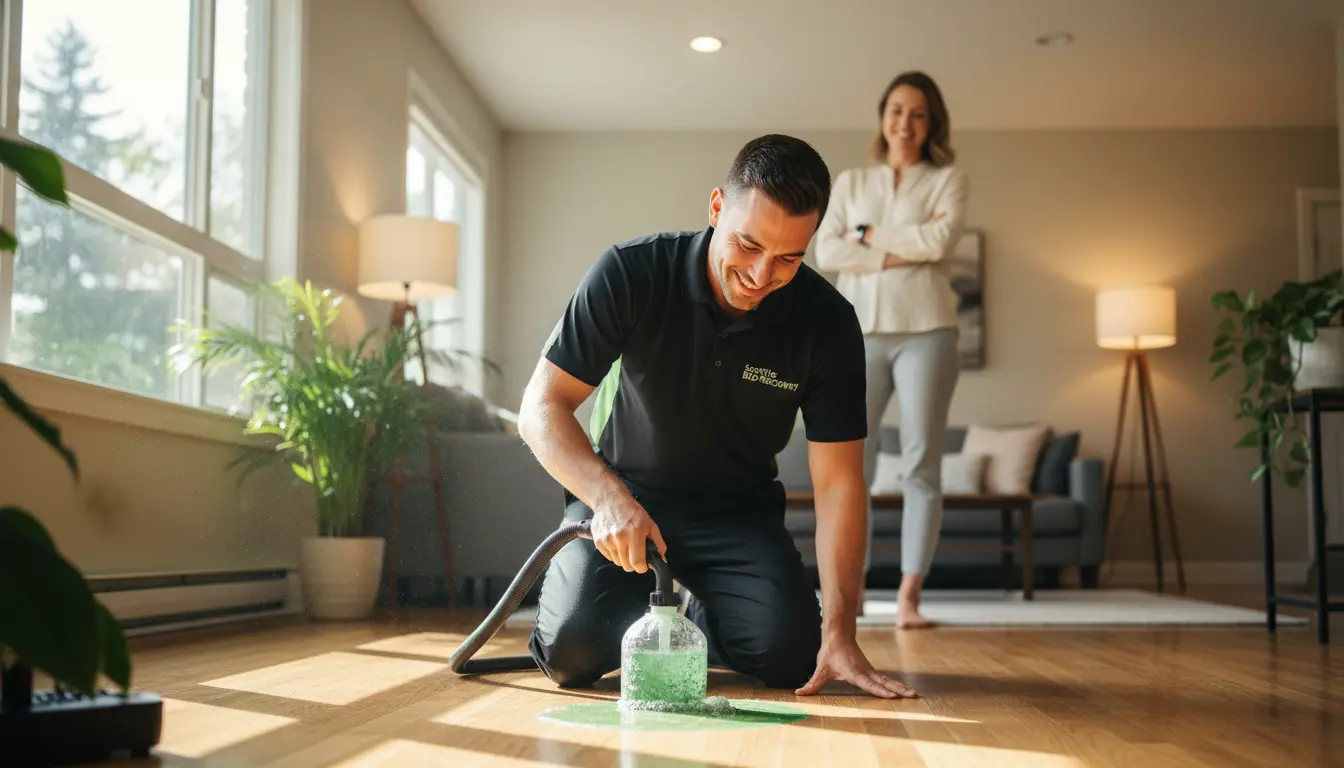
In the bustling heart of Seattle, where tech hubs in Fremont meet the vibrant markets of Pike Place, businesses thrive amid the city’s unique blend of innovation and natural beauty. But beneath this dynamic surface lies an often-overlooked reality: biohazard incidents can strike unexpectedly, from sewage backups in Queen Anne offices to medical waste mishaps in Redmond warehouses. As a leading provider of biohazard cleanup, Seattle Bio-Recovery understands the stakes. These events not only disrupt operations but can pose serious health risks to employees and customers. In this guide, we’ll explore practical steps Seattle businesses can take to prepare, ensuring resilience against such threats. Whether you’re managing a cozy café in Belltown or a corporate space in Ballard, proactive preparation is key to safeguarding your livelihood.
Understanding Biohazard Risks in Seattle
Seattle’s temperate climate and dense urban environment create specific vulnerabilities to biohazards. Heavy rains can lead to sewer overflows, while the city’s aging infrastructure in areas like Belltown amplifies risks of contamination. Biohazards encompass anything from bloodborne pathogens to chemical spills and infectious materials—threats that no business is immune to.
Common Biohazards Businesses Face
For Seattle’s diverse enterprises, common scenarios include:
- Sewage and Water Damage: Frequent downpours can cause backups, introducing bacteria like E. coli into workspaces. In low-lying areas like Ballard, this is a seasonal concern.
- Medical or Bodily Fluids: Offices handling first aid or unfortunate accidents may encounter blood or other fluids, requiring immediate containment.
- Pest Infestations: Rodents in Fremont’s industrial zones can carry diseases, turning a minor issue into a major health hazard.
- Industrial Spills: Tech firms in Redmond dealing with lab materials face chemical biohazards that demand specialized handling.
Recognizing these risks is the first step. Seattle businesses should conduct regular audits, especially post-rainy season, to identify potential hotspots.
Developing a Biohazard Preparedness Plan
A solid plan isn’t just a document—it’s your business’s shield. Start by assembling a response team, including managers and safety officers, to outline protocols tailored to Seattle’s regulations, such as those from the Washington State Department of Labor & Industries.
Conducting a Risk Assessment
Begin with a thorough evaluation:
- Map out high-risk areas, like restrooms or storage rooms prone to leaks.
- Assess employee exposure based on roles—frontline staff in customer-facing spots like Queen Anne shops need extra training.
- Review past incidents; for instance, if your Ballard location experienced a flood, factor in flood-prone geography.
Actionable tip: Use free templates from OSHA to customize your assessment, then simulate scenarios quarterly to test readiness.
Training Employees on Biohazard Protocols
Empower your team with knowledge. Host annual workshops covering:
- Personal Protective Equipment (PPE) usage, such as gloves and masks.
- Evacuation routes and quarantine procedures.
- Reporting mechanisms for suspicious spills.
In Seattle’s collaborative business culture, consider partnering with local experts for hands-on sessions. For businesses in high-traffic areas like Fremont, role-playing exercises can build confidence without disrupting daily operations.
Essential Equipment and Supplies for Biohazard Readiness
Stocking up doesn’t require a massive budget—focus on essentials that align with Seattle’s practical needs.
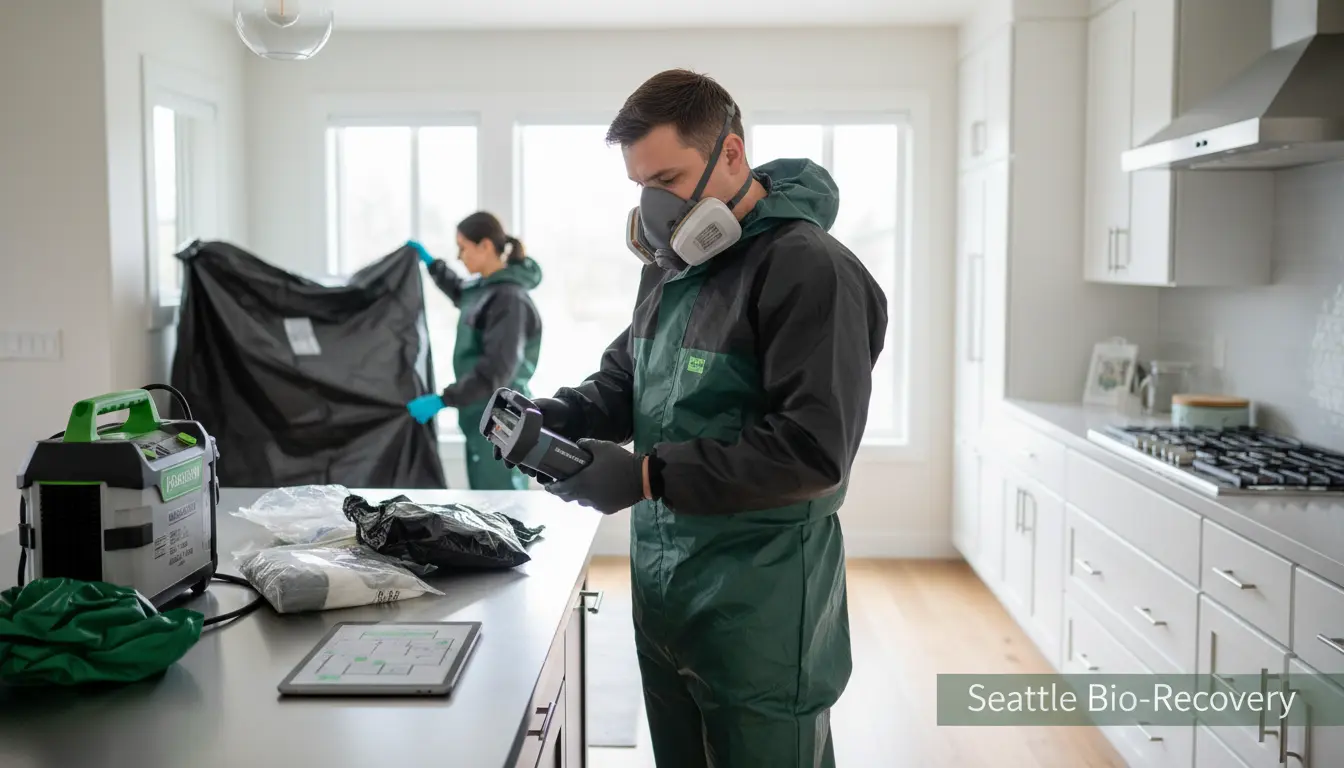
- PPE Kit: Include disposable suits, respirators, and eye protection. Keep kits accessible in break rooms.
- Cleanup Tools: Absorbent pads, disinfectants (EPA-approved for biohazards), and biohazard bags for safe disposal.
- First Aid Enhancements: Stock trauma kits with barriers to prevent direct contact.
Practical advice: Rotate supplies every six months to ensure efficacy, especially in humid Seattle weather. For larger operations, invest in spill stations near entry points.
If a major incident occurs, such as a sewer biohazard cleaning need in your facility, know when to call professionals. Delaying can lead to mold growth or regulatory fines.
Partnering with Professional Bio-Recovery Services
While preparation is vital, no plan replaces expert intervention for severe cases. Seattle Bio-Recovery specializes in rapid response, serving neighborhoods from Belltown to Redmond. Our team handles everything from initial assessment to full remediation, ensuring compliance with local health codes.
When to Engage Experts
Call immediately for:
- Uncontrolled spills involving bodily fluids.
- Post-incident decontamination, like after a workplace injury requiring suicide cleanup services or similar trauma.
- Ongoing issues like persistent odors, where our odor control treatment can restore air quality.
By partnering with us, businesses in Fremont gain 24/7 access to certified technicians, minimizing downtime. We’ve assisted Seattle eateries and offices alike, turning crises into quick recoveries.
Tip: Integrate professional contacts into your plan. Schedule a free consultation with Seattle Bio-Recovery to benchmark your setup against industry standards.
Implementing Emergency Response Drills
Preparation meets practice in drills. Simulate a biohazard event monthly—perhaps a mock sewage leak in your Queen Anne space—to refine responses.
- Involve all shifts for comprehensive coverage.
- Debrief afterward to address gaps, like communication breakdowns during Seattle’s foggy commutes.
- Document drills for insurance and compliance purposes.
This hands-on approach fosters a culture of safety, reducing panic in real scenarios.
Legal and Insurance Considerations
Seattle businesses must navigate state laws on hazardous waste. Ensure your insurance covers biohazards; many policies exclude them unless specified.
Actionable steps:
- Review policies annually with your agent.
- Comply with OSHA’s Bloodborne Pathogens Standard.
- For waste management, opt for certified disposal—avoid DIY to prevent liabilities.
In areas like Ballard, where community ties are strong, transparency with authorities builds trust post-incident.
FAQ: Biohazard Preparation for Seattle Businesses
What Should I Do Immediately After a Biohazard Incident?
Evacuate the area, secure it with barriers, and contact professionals like Seattle Bio-Recovery at (206) 699-1422. Avoid touching contaminants to prevent spread.
How Often Should Businesses in Seattle Update Their Biohazard Plans?
Annually, or after any major change like renovations or staff turnover. Factor in seasonal risks from Seattle’s rainy winters.
Are There Seattle-Specific Regulations for Biohazard Cleanup?
Yes, follow King County health guidelines and Washington State environmental rules. Certified services ensure compliance.
Can Small Businesses Afford Professional Bio-Recovery Services?
Absolutely—our scalable solutions fit budgets, from quick cleanups to full biohazard waste disposal. Prevention saves more in the long run.
What If a Biohazard Affects Customer Areas?
Prioritize public safety: Close off zones and notify authorities. For crime scene cleanup in public spaces, experts restore normalcy swiftly.
Conclusion: Secure Your Seattle Business Today
Preparing for biohazard incidents isn’t about fear—it’s about fortitude in the face of uncertainty. By understanding risks, building robust plans, and leveraging experts like Seattle Bio-Recovery, your business can weather any storm, from Fremont floods to Belltown spills. Don’t wait for the unexpected; proactive steps today ensure tomorrow’s success.
Ready to fortify your defenses? Contact Seattle Bio-Recovery at (206) 699-1422 for a personalized assessment. Let’s keep Seattle’s businesses safe and thriving together.