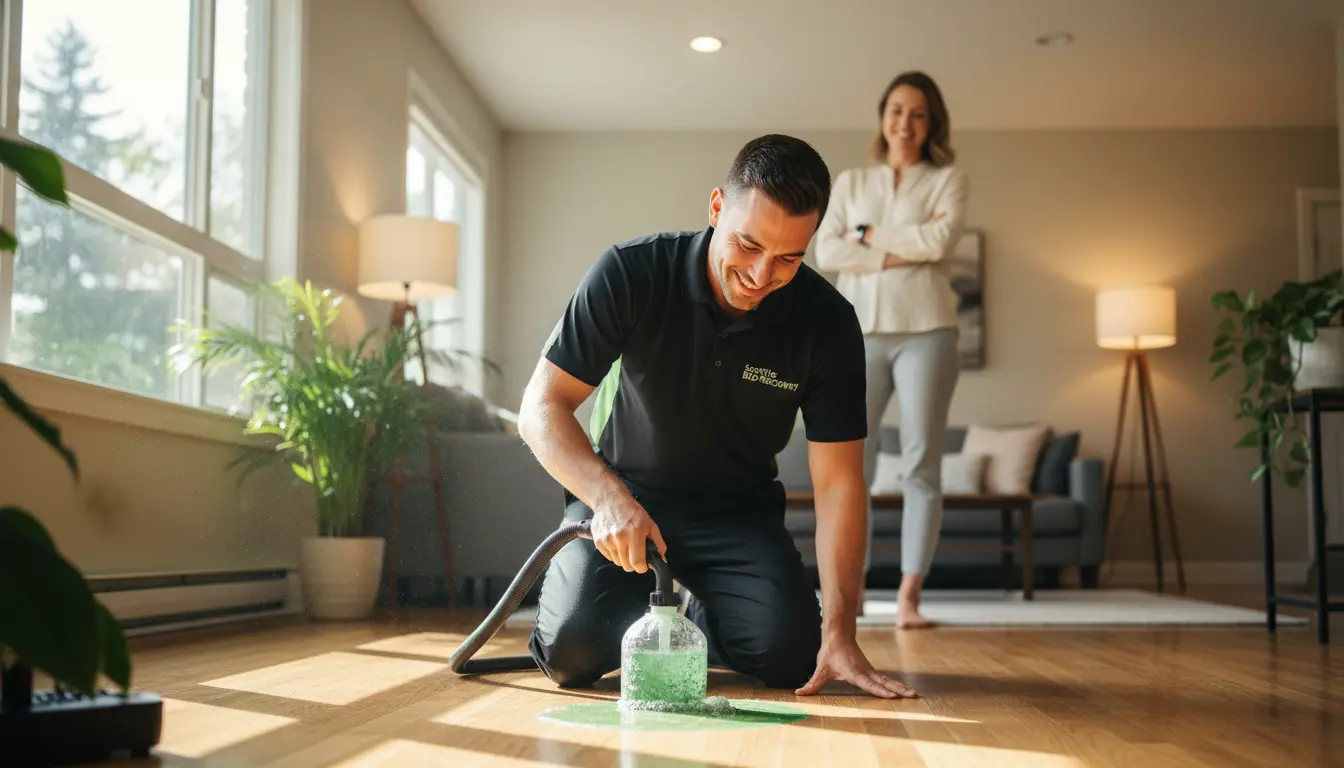
Unattended death cleanup refers to the specialized process of restoring a property to a safe and habitable condition after a person has passed away without immediate discovery, often resulting in significant biological damage to the scene. This term is frequently confused with standard cleaning services, but the two are distinctly different in terms of the expertise, equipment, and protocols required to ensure the thorough removal of biohazards and the prevention of cross-contamination.
In the context of Seattle and its surrounding areas, the unique combination of a damp climate and typical architectural styles can exacerbate the challenges associated with unattended death cleanup. The moisture-rich environment can accelerate biological decay, leading to more complex and hazardous conditions for remediation efforts. It is crucial for families and property owners in this region to understand the importance of engaging professional bio-recovery services, such as those provided by Seattle Bio-Recovery, to handle such sensitive and potentially dangerous situations.
The need for professional bio-recovery services in Seattle and its surrounding areas stems from the specialized training, equipment, and adherence to strict safety and health protocols that these services provide. Unlike standard cleaning services, professional bio-recovery is designed to address the unique challenges posed by biological hazards, including bloodborne pathogens, and to restore properties to a condition that is not only clean but also safe for occupancy. This distinction is critical for protecting the health and well-being of those who may be exposed to the aftermath of an unattended death.
Understanding the Technical Process of Bio-Recovery
The technical process of bio-recovery involves a meticulous step-by-step approach that begins with an initial assessment of the scene to identify potential hazards and to determine the scope of the work required. This assessment is crucial for developing a tailored remediation plan that addresses the specific conditions of the property. Following the assessment, the next steps include scene containment to prevent the spread of biohazards, the removal of biological materials, thorough sanitization of all surfaces, structural remediation if necessary, deodorization to eliminate any lingering odors, and finally, clearance testing to ensure that the property has been restored to a safe condition.
Tools such as ATP fluorescence meters are utilized to measure the level of biological contamination, and hydroxyl generators or HEPA negative air machines may be employed to neutralize pathogens and eliminate odors. The choice of remediation method and equipment can be influenced by local environmental conditions, such as Seattle’s ambient humidity, which may necessitate the use of drying equipment to prevent further moisture accumulation and to facilitate the removal of biological residues.
Comparing Professional Bio-Recovery and Standard Cleaning Services
To appreciate the value of professional bio-recovery services, it is helpful to compare them directly with standard cleaning services. The following table highlights key differences in terms of pathogen elimination, structural penetration, and legal/OSHA compliance:
| Feature/Metric | Professional Bio-Recovery | Standard Cleaning/DIY |
|---|---|---|
| Pathogen Elimination | Utilizes EPA-registered disinfectants and follows strict protocols to ensure 99.99% eradication of pathogens | May not adequately address all types of biological hazards, potentially leaving behind harmful pathogens |
| Structural Penetration | Addresses biohazards that may have penetrated surfaces or been absorbed into materials, ensuring a thorough remediation | Typically focuses on surface-level cleaning, potentially overlooking embedded contaminants |
| Legal/OSHA Compliance | Adheres to OSHA standards and other regulations, protecting clients from legal liabilities and ensuring a safe working environment | May not fully comply with relevant laws and regulations, exposing individuals to unnecessary risks and potential legal repercussions |
Source: OSHA Bloodborne Pathogens Standard
Expert Insights for Effective Biohazard Remediation
Engaging the services of a certified bio-recovery expert is crucial for ensuring that the remediation process is handled correctly and safely. One key tip is to immediately secure the scene to prevent any further contamination or disturbance of potential evidence. Another critical consideration is the shutdown of HVAC systems to prevent the spread of airborne pathogens throughout the property. Furthermore, it is essential to recognize the importance of sub-flooring and structural remediation, as biohazards can penetrate deep into materials, requiring specialized treatment to fully eliminate.
Pricing Considerations for Bio-Recovery Services
The cost of bio-recovery services can vary widely depending on several factors, including the severity of the biological damage, the size of the affected area, the level of personal protective equipment (PPE) required, and the necessity for structural tear-outs or specialized equipment. Pricing structures may include hourly rates, flat fees for specific types of incidents, or project-based quoting that takes into account the unique requirements of each situation.
Factors influencing cost include bio-hazardous waste disposal fees, which can be significant due to the specialized handling and disposal requirements for biological materials; the level of PPE required, which can range from basic protection to fully encapsulated suits depending on the hazard level; and the need for structural remediation, which may involve the removal and replacement of contaminated materials.
Safety and Standards in Bio-Recovery
The adherence to specific certifications, such as those offered by the American Bio-Recovery Association (ABRA) or the International Institute of Cleaning and Restoration Certification (IICRC), is a hallmark of professional bio-recovery services. These certifications ensure that technicians are trained in the latest protocols and techniques for safely handling biohazards and restoring properties to a safe condition. Additionally, compliance with OSHA standards, such as 29 CFR 1910.1030, is critical for protecting both the technicians performing the remediation and the occupants of the property from potential health risks.
The use of EPA-registered disinfectants is also a key aspect of ensuring that the remediation process is effective in eliminating pathogens. These disinfectants have been tested and proven to be effective against a wide range of biological hazards, providing a critical layer of protection during the remediation process.
Frequently Asked Questions
What is the typical response time for bio-recovery services in Seattle?
The response time can vary depending on the location and the severity of the situation, but professional bio-recovery services aim to respond quickly to minimize the risk of further contamination and to begin the remediation process as soon as possible. In emergency situations, response times can be as short as a few hours, although this may vary based on the service provider’s workload and the specific circumstances of the incident.
Are bio-recovery services covered by homeowner’s insurance?
Coverage can vary widely depending on the specific terms of the insurance policy. Many homeowner’s insurance policies do cover bio-recovery services under certain circumstances, such as in the event of a homicide, suicide, or unattended death. However, it is essential to review the policy terms or consult with the insurance provider to determine the extent of coverage for bio-recovery services.
How do I know if a bio-recovery service is properly licensed and insured?
It is crucial to verify the credentials of any bio-recovery service before engaging their services. This includes checking for certifications from reputable organizations, such as ABRA or IICRC, and confirming that the service carries appropriate liability insurance to protect against potential risks and damages during the remediation process.
What should I expect during the bio-recovery process?
Detailed communication and transparency are key components of professional bio-recovery services. Upon initial contact, you should expect a thorough discussion of the services to be provided, the expected timeline for completion, and a clear explanation of the pricing structure and any factors that may influence the total cost. Throughout the process, the service provider should maintain open lines of communication, keeping you informed of progress and addressing any concerns or questions you may have.
Conclusion
In conclusion, the process of what families should know before scheduling unattended death cleanup is multifaceted and requires a deep understanding of the technical, legal, and emotional considerations involved. Professional bio-recovery services, such as those offered by Seattle Bio-Recovery, play a critical role in ensuring that properties are restored to a safe and habitable condition, while also providing compassionate support during a difficult time. By understanding the importance of proper biohazard remediation, the differences between professional bio-recovery and standard cleaning services, and the factors that influence the cost and effectiveness of these services, families and property owners in Seattle and its surrounding areas can make informed decisions about how to address the aftermath of an unattended death.
For those facing the unfortunate situation of needing bio-recovery services, it is essential to prioritize safety, compliance, and compassion. By choosing a reputable and certified bio-recovery service, individuals can ensure that the remediation process is handled with the utmost care and professionalism, minimizing risks to health and property. Seattle Bio-Recovery stands as a premier option in the region, offering expertise, discretion, and a commitment to excellence in biohazard remediation.
As you navigate the challenging process of recovering from an unattended death, remember that professional bio-recovery services are not just a practical necessity but also a critical component of ensuring the well-being and safety of all individuals involved. By leveraging the expertise and resources of a certified bio-recovery service, you can trusts that the situation will be handled with the dignity, respect, and professionalism it deserves.