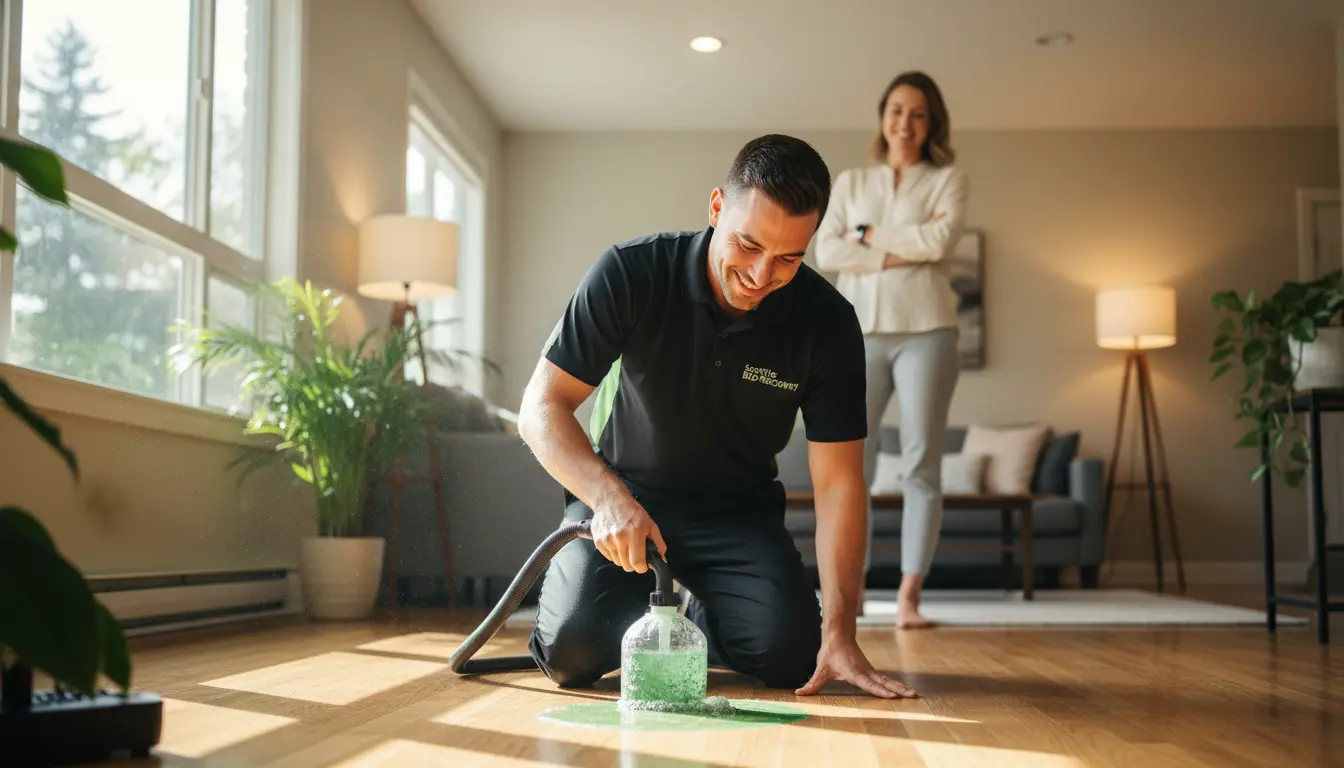
As a bio-recovery expert in Seattle, I’ve seen firsthand the devastating impact of biohazard contamination on rental units. A recent case that still resonates with me involved a landlord who, unaware of the proper protocols, attempted to clean up a traumatic scene in one of his properties, only to spread the contamination and put himself and others at risk. This incident underscored the critical importance of professional bio-recovery services in preventing the spread of biohazards. In Seattle, where the damp climate can accelerate biological decay, the need for expert biohazard remediation is particularly pressing.
The consequences of inadequate biohazard cleanup can be severe, ranging from legal and financial repercussions to the very real risk of infectious disease transmission. It’s crucial, therefore, for property owners and managers to understand the best ways to prevent biohazard contamination in rental units. Professional bio-recovery, as opposed to standard cleaning or DIY approaches, is essential for ensuring that properties are thoroughly decontaminated and safe for occupancy.
Seattle Bio-Recovery, as a premier biohazard remediation service provider in the area, emphasizes the importance of discretion, compassion, and adherence to the highest standards of biohazard safety. Our team is certified by the American Bio-Recovery Association (ABRA) and strictly follows Occupational Safety and Health Administration (OSHA) regulations, ensuring that every aspect of the bio-recovery process, from initial assessment to final clearance testing, is conducted with the utmost care and professionalism.
Understanding Biohazard Contamination
Biohazard contamination can arise from a variety of sources, including traumatic incidents, unattended deaths, and infectious disease outbreaks. The risk of contamination is not limited to the immediate area of the incident but can also affect other parts of the property through cross-contamination. This is particularly concerning in rental units, where the potential for exposure to biohazards can impact not only the current occupants but also future tenants.
The process of professional bio-recovery involves several critical steps, each designed to ensure the thorough removal and disposal of biohazardous materials. This includes the use of personal protective equipment (PPE), the implementation of containment protocols to prevent cross-contamination, and the application of EPA-registered disinfectants to eliminate pathogens. Advanced tools, such as ATP fluorescence meters and hydroxyl generators, are also employed to verify the effectiveness of the decontamination process and to restore the property to a safe and habitable condition.
Technical Process of Bio-Recovery
The technical process of bio-recovery is highly specialized and requires a deep understanding of microbiology, pathology, and environmental science. The initial assessment involves evaluating the extent of the contamination and identifying potential pathways for the spread of biohazards. This is followed by scene containment, where the affected area is isolated to prevent further contamination. Biological material removal is then conducted, using equipment and techniques that minimize the risk of aerosolizing pathogens.
Sanitization is a critical step, involving the use of disinfectants that are proven to be effective against a broad spectrum of pathogens. Structural remediation may also be necessary, particularly in cases where biohazards have penetrated beneath the surface of materials. This can involve the removal and replacement of contaminated carpets, subflooring, and drywall. Finally, deodorization and clearance testing are performed to ensure that the property is not only safe but also free from lingering odors that can be distressing to occupants.
Data Comparison
When considering the cleanup of a biohazard contamination, it’s essential to understand the differences between professional bio-recovery services and standard janitorial or DIY cleaning. The following table highlights some key distinctions:
| Feature/Metric | Professional Bio-Recovery | Standard Cleaning/DIY |
|---|---|---|
| Pathogen Elimination | 99.99%+ with EPA-registered disinfectants | Variable, often inadequate for biohazards |
| Structural Penetration | Assessed and addressed with specialized equipment | Often overlooked, leading to lingering contamination |
| Legal/OSHA Compliance | Adheres to all relevant regulations and standards | May not meet legal requirements, risking fines and liability |
Source: OSHA Bloodborne Pathogens Standard
Expert Insights
As a seasoned bio-recovery expert, I’ve learned several key strategies for preventing biohazard contamination and ensuring effective remediation when incidents do occur. Firstly, it’s crucial to secure the scene immediately to prevent cross-contamination. This involves isolating the area, shutting down HVAC systems to prevent the spread of airborne pathogens, and ensuring that all individuals involved in the cleanup process are properly trained and equipped with PPE.
A common mistake made by property owners is the use of household bleach for biohazard cleanup. While bleach is a disinfectant, it is not suitable for all types of biohazards and can, in some cases, react with biological materials to produce harmful compounds. Furthermore, bleach does not address the root cause of the contamination and can leave behind residues that are harmful to occupants. Professional bio-recovery services, on the other hand, utilize EPA-registered disinfectants that are specifically formulated to eliminate a wide range of pathogens without leaving harmful residues.
Pricing and Cost Factors
The cost of bio-recovery services can vary significantly depending on several factors, including the extent of the contamination, the type of biohazard involved, and the complexity of the cleanup process. Other cost factors include the need for specialized equipment, such as hydroxyl generators or HEPA negative air machines, and the disposal fees for biohazardous waste. In some cases, structural remediation may be required, which can involve the removal and replacement of contaminated materials, adding to the overall cost.
It’s also important to consider the potential long-term costs of inadequate biohazard cleanup, including the risk of ongoing contamination, legal liabilities, and the impact on property value. Professional bio-recovery services, while potentially more expensive upfront, offer a comprehensive and guaranteed solution that restores properties to a safe and habitable condition, providing long-term peace of mind and protection for occupants.
Safety and Standards
Safety is paramount in biohazard remediation, and adherence to strict safety protocols is essential for protecting both the cleanup team and future occupants of the property. This includes the use of PPE, strict containment procedures, and the application of disinfectants that meet or exceed EPA standards for pathogen elimination. Our team at Seattle Bio-Recovery is certified by the American Bio-Recovery Association (ABRA) and strictly adheres to OSHA regulations, ensuring that every aspect of the bio-recovery process is conducted with the highest level of professionalism and safety.
Frequently Asked Questions
What is the difference between bio-recovery and standard cleaning services?
Bio-recovery services are specifically designed to handle the cleanup and remediation of biohazards, such as blood, bodily fluids, and other potentially infectious materials. These services are performed by trained professionals equipped with the necessary PPE and specialized equipment to ensure the safe and effective removal of biohazards. Standard cleaning services, on the other hand, are not equipped to handle biohazardous materials and may actually spread contamination, making the situation worse.
How long does the bio-recovery process typically take?
The duration of the bio-recovery process can vary significantly depending on the extent of the contamination, the size of the affected area, and the complexity of the cleanup. In some cases, the process may be completed within a few hours, while more extensive incidents may require several days or even weeks to fully remediate. It’s essential to work with a professional bio-recovery service that can provide a detailed assessment and timeline for the cleanup process.
Is bio-recovery covered by insurance?
Insurance coverage for bio-recovery services depends on the specific policy and the circumstances of the incident. In many cases, homeowner’s or property insurance may cover the cost of biohazard remediation, especially if the incident is the result of a traumatic event or an unattended death. However, it’s crucial to review your policy and consult with your insurance provider to understand what is covered and what is not.
How can I prevent biohazard contamination in my rental unit?
Preventing biohazard contamination in rental units involves a combination of proper maintenance, tenant education, and prompt response to incidents. Regular cleaning and disinfection of high-touch areas, proper waste disposal, and ensuring that tenants are aware of the risks and protocols for handling biohazards can all contribute to a safer environment. Additionally, having a plan in place for emergency situations, including the contact information for a professional bio-recovery service, can help mitigate the impact of an incident.
Conclusion
In conclusion, the best ways to prevent biohazard contamination in rental units involve a proactive approach that includes education, proper maintenance, and a comprehensive plan for emergency situations. By understanding the risks associated with biohazards and the importance of professional bio-recovery services, property owners can take significant steps towards protecting their tenants, their properties, and themselves from the potential legal, financial, and health consequences of biohazard contamination. For those in Seattle and surrounding areas, Seattle Bio-Recovery stands as a trusted and experienced partner in biohazard remediation, offering discreet, compassionate, and technically superior services that adhere to the highest standards of safety and professionalism.
Whether you’re a property owner, a manager, or simply a concerned individual, it’s crucial to recognize the value of safe, compliant, and compassionate biohazard remediation. By choosing a certified and experienced bio-recovery service, you not only ensure the restoration of your property to a safe and habitable condition but also contribute to the well-being and peace of mind of all those involved. Contact Seattle Bio-Recovery today to learn more about our services and how we can help you navigate the complex and sensitive process of biohazard remediation.