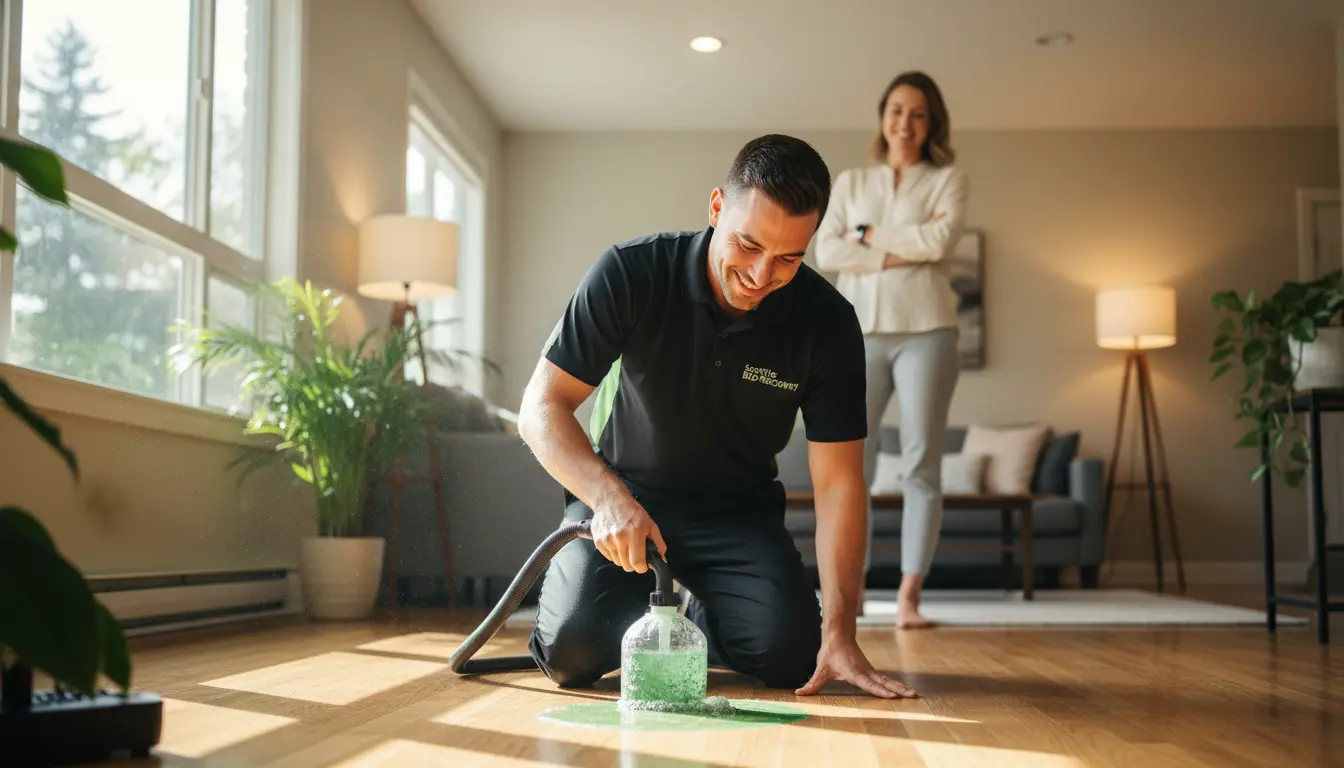
In the aftermath of a traumatic event, such as a crime or unattended death, many individuals in Seattle and surrounding areas are left to grapple with the emotional and financial burdens of restoring their property to a safe and healthy state. The cost of improper cleanup can be staggering, with potential long-term health consequences and significant financial losses due to property damage or litigation. In Seattle’s damp climate, which accelerates biological decay and affects indoor moisture levels, the need for professional bio-recovery services cannot be overstated. This is where bio-recovery companies, like Seattle Bio-Recovery, play a critical role in reducing emotional stress after trauma by providing discreet, compassionate, and highly specialized services.
Professional bio-recovery is distinct from standard cleaning or janitorial services, as it requires specialized training, equipment, and protocols to safely and effectively remediate biological hazards. The risks associated with DIY cleanup or the use of non-specialized services can lead to cross-contamination, incomplete removal of pathogens, and the potential for long-term health issues. In contrast, certified bio-recovery professionals adhere to strict guidelines and standards, such as those set by OSHA and the American Bio-Recovery Association (ABRA), ensuring that properties are restored to a safe condition, reducing the risk of legal and financial repercussions.
For individuals and businesses in Seattle and surrounding areas, including Issaquah, Mercer Island, and Belltown, the choice of bio-recovery service is critical. Seattle Bio-Recovery stands out as a premier service provider, offering comprehensive and discreet bio-recovery solutions tailored to the unique needs of each situation. Their expertise spans a wide range of services, including crime scene cleanup, hoarding remediation, infectious disease control, and unattended death cleanup, ensuring that clients receive the highest level of care and professionalism.
Technical Process of Bio-Recovery
The process of bio-recovery involves a detailed and meticulous approach to ensure that all biological hazards are identified and removed. This begins with an initial assessment of the scene to determine the extent of the contamination and the necessary steps for remediation. Scene containment is crucial to prevent cross-contamination and ensure that the biological hazards are isolated. The use of personal protective equipment (PPE) and specialized tools, such as ATP fluorescence meters and hydroxyl generators, is essential for safely handling and removing biological materials.
Sanitization is a critical step in the bio-recovery process, involving the use of EPA-registered hospital-grade disinfectants to eliminate pathogens. Structural remediation may be necessary in cases where biological fluids have penetrated surfaces or sub-flooring, requiring the removal and replacement of affected materials. Deodorization and clearance testing are the final steps, ensuring that the property is not only safe but also free from lingering odors that can serve as a reminder of the traumatic event.
Local conditions, such as Seattle’s ambient humidity, play a significant role in determining the most effective remediation method. High humidity can accelerate the growth of bacteria and mold, necessitating the use of specialized equipment like HEPA negative air machines to control the environment and prevent further contamination.
Data Comparison
When considering the services of a bio-recovery company, it’s essential to understand the differences between professional bio-recovery and standard cleaning or DIY approaches. The following comparison highlights key aspects of these different methods:
| Feature/Metric | Professional Bio-Recovery | Standard Cleaning/DIY |
|---|---|---|
| Pathogen Elimination | 99.99% effective against a broad spectrum of pathogens | Varying levels of effectiveness, often incomplete removal |
| Structural Penetration | Assesses and remediates penetration into surfaces and sub-flooring | May not address deep penetration, leading to lingering hazards |
| Legal/OSHA Compliance | Adheres to all relevant regulations and standards | May not meet legal requirements, risking fines and legal action |
Source: OSHA Bloodborne Pathogens Standard
Expert Insights
Expert bio-recovery technicians offer invaluable advice for individuals facing the aftermath of a traumatic event. One key tip is to immediately secure and isolate the scene to prevent cross-contamination and unauthorized access. Another crucial step is shutting down HVAC systems to prevent the spread of airborne pathogens. Additionally, experts emphasize the importance of not using household bleach on biological fluids, as it can react with the proteins in blood to create dangerous compounds and is not effective against all types of pathogens.
Pricing and Cost Factors
The cost of bio-recovery services can vary widely depending on several factors, including the severity of the biological hazard, the size of the affected area, and the level of PPE required. Other cost factors include bio-hazardous waste disposal fees, the need for structural tear-outs, and the extent of sanitization and deodorization required. Pricing structures may include hourly rates, flat fees for specific incident types, or project-based quoting. It’s essential for property owners to understand these factors and to work with a reputable bio-recovery company that can provide a detailed and transparent estimate of the costs involved.
- Hourly rates for technicians and specialists
- Flat fees for specific services, such as crime scene cleanup or hoarding remediation
- Project-based quoting for comprehensive bio-recovery and restoration services
Safety and Standards
Safety is paramount in bio-recovery, with professionals adhering to strict safety protocols and using EPA-registered disinfectants to ensure a hygienic environment. Certifications such as ABRA and IICRC demonstrate a company’s commitment to industry standards and best practices. Compliance with OSHA regulations, such as 29 CFR 1910.1030, is crucial for protecting both the technicians and the occupants of the property from biological hazards. The use of HEPA filtration and vector control measures further ensures the safety and efficacy of the bio-recovery process.
FAQs
What is the typical response time for bio-recovery services?
Bio-recovery companies usually offer rapid response times, often within hours of the initial call, to minimize the risk of further contamination and to start the remediation process as soon as possible. This quick response is crucial in preventing the spread of biological hazards and in reducing the emotional stress associated with the traumatic event.
How do I know if I need professional bio-recovery services?
The need for professional bio-recovery services can be determined by assessing the situation and considering factors such as the presence of biological fluids, the extent of contamination, and the potential for cross-contamination. If in doubt, it’s always best to consult with a certified bio-recovery professional who can evaluate the situation and provide guidance on the necessary steps for safe and effective remediation.
Are bio-recovery services covered by homeowner’s insurance?
In many cases, bio-recovery services are covered by homeowner’s insurance, especially when the services are deemed necessary for the restoration of the property to a safe and habitable condition. However, coverage can vary depending on the policy and the specific circumstances of the incident. It’s essential to consult with your insurance provider to understand what is covered and what steps need to be taken to file a claim.
How can I find a reputable bio-recovery company in Seattle?
When searching for a reputable bio-recovery company in Seattle, look for certifications such as ABRA and IICRC, and check for reviews and testimonials from previous clients. It’s also important to ensure that the company adheres to all relevant safety protocols and industry standards, and that they provide a detailed and transparent estimate of the costs involved.
Conclusion
In conclusion, the role of bio-recovery companies in reducing emotional stress after trauma cannot be overstated. By providing professional, compassionate, and highly specialized services, these companies help individuals and businesses in Seattle and surrounding areas to navigate the aftermath of traumatic events safely and effectively. Whether it’s crime scene cleanup, hoarding remediation, or unattended death cleanup, the importance of choosing a reputable and certified bio-recovery service cannot be emphasized enough. For those in need of such services, Seattle Bio-Recovery stands as a trusted and reliable partner, committed to restoring properties and lives with discretion, professionalism, and care.
To learn more about the services provided by Seattle Bio-Recovery and how they can assist in your time of need, please visit their blog for informative articles and guides on bio-recovery and related topics. For specific information on biohazard cleanup after trauma, you can refer to their Ultimate Guide To Biohazard Cleanup After Trauma. Additionally, their 10 Common Questions On Bio Recovery Services Answered provides valuable insights into the process and benefits of professional bio-recovery.
Remember, the safety and well-being of you and your loved ones are of utmost importance. Don’t hesitate to reach out to professionals who can help you through difficult times with the care and expertise you deserve.