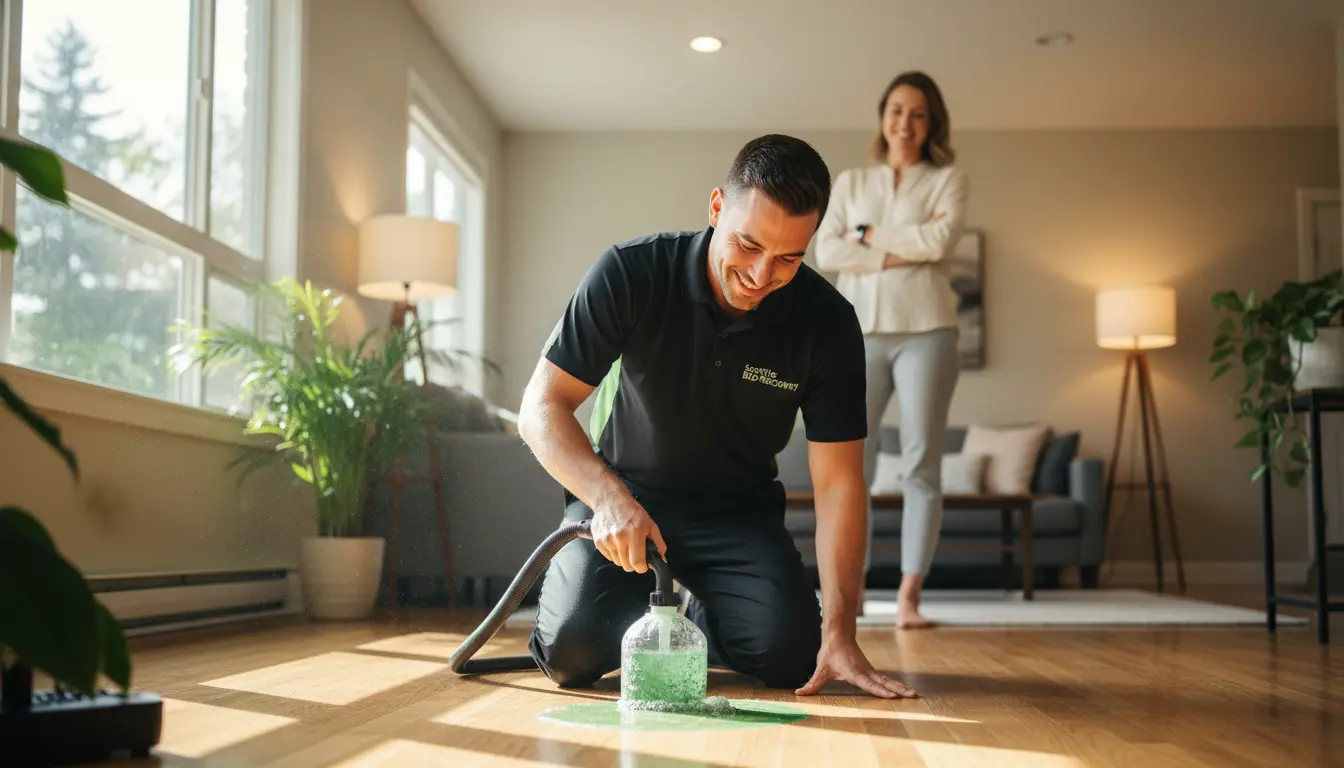
Drug residue and hazardous contaminants pose significant risks to human health and safety, necessitating their safe removal. The process of removing these substances is a specialized field that requires careful consideration of the risks involved and the measures needed to mitigate them. It is essential to distinguish this process from standard cleaning or janitorial services, as the latter may not adequately address the complexities and dangers associated with drug residue and hazardous contaminants.
The importance of professional bio-recovery services in Seattle and surrounding areas cannot be overstated, given the region’s climate and typical architectural styles, which can accelerate biological decay and affect indoor moisture levels. Seattle Bio-Recovery is a premier service provider in this area, offering authoritative, discreet, and compassionate solutions for individuals and businesses requiring biohazard remediation.
In the context of Seattle’s damp climate, which can lead to accelerated biological decay, and local municipal guidelines regarding hazardous waste disposal, it is crucial to engage professional services that understand these nuances. This expertise ensures that the removal of drug residue and hazardous contaminants is conducted safely, efficiently, and in compliance with relevant regulations.
Technical Process of Bio-Recovery
The technical process of bio-recovery involves several critical steps, starting with an initial assessment of the scene to identify potential hazards and determine the scope of work required. This assessment is followed by scene containment to prevent the spread of contaminants, and then the removal of biological materials. Sanitization, using EPA-registered hospital-grade disinfectants, is a crucial step to eliminate pathogens, and structural remediation may be necessary to repair or replace damaged areas. Deodorization and clearance testing, using tools such as ATP fluorescence meters, are also essential to ensure that the area is safe for reoccupation.
Local variables, such as environmental conditions and ambient humidity, play a significant role in dictating the chosen remediation method. For instance, in Seattle’s humid climate, measures to control moisture levels may be necessary to prevent the growth of mold and mildew, which can complicate the remediation process. The use of HEPA negative air machines and hydroxyl generators can be critical in managing indoor air quality and ensuring the effective removal of contaminants.
Data Comparison
When comparing professional bio-recovery services to standard janitorial or DIY cleanup methods, several key differences emerge. Professional services offer comprehensive pathogen elimination, structural penetration assessment, and legal/OSHA compliance, which are often lacking in standard cleaning or DIY approaches.
| Feature/Metric | Professional Bio-Recovery | Standard Cleaning/DIY |
|—————-|—————————|———————–|
| Pathogen Elimination | >99.99% reduction | Variable, often inadequate |
| Structural Penetration | Assessed and addressed | Often overlooked |
| Legal/OSHA Compliance | Ensured through protocols and training | Frequently lacking |
Source: OSHA Bloodborne Pathogens Standard
Expert Insights
Expert bio-recovery technicians emphasize the importance of immediately securing and isolating a scene to prevent cross-contamination and further exposure to hazards. Shutting down HVAC systems is also critical to prevent the spread of contaminants through the air. Additionally, understanding the differences between various types of contaminants, such as bloodborne pathogens and chemical hazards, is vital for selecting the appropriate remediation strategy.
Common mistakes made by property owners include attempting to clean biological fluids with household bleach, which can exacerbate the situation, and ignoring potential contamination in sub-flooring or other hidden areas. These oversights can lead to lingering bio-hazards, severe structural damage, and significant financial liabilities.
Pricing Considerations
The cost of bio-recovery services can vary widely depending on several factors, including the level of contamination, the size of the affected area, the type of contaminants present, and the complexity of the remediation required. Other factors influencing cost include bio-hazardous waste disposal fees, the level of personal protective equipment (PPE) required for technicians, and the need for structural repairs or replacement of materials.
Services may be priced on an hourly basis, as a flat fee for specific types of incidents, or on a project basis, taking into account all necessary steps for complete remediation. It is essential for property owners to understand these factors and how they impact the overall cost of the service to make informed decisions.
Safety and Standards
Safety is paramount in bio-recovery operations, with technicians adhering to strict protocols and guidelines set by organizations such as the American Bio-Recovery Association (ABRA) and the Occupational Safety and Health Administration (OSHA). The use of EPA-registered disinfectants and adherence to safety standards such as OSHA 29 CFR 1910.1030 are critical for ensuring the safety of both the technicians and the occupants of the property.
Certifications such as those offered by ABRA and the IICRC (Institute of Inspection, Cleaning and Restoration Certification) demonstrate a service provider’s commitment to excellence and adherence to industry standards. These certifications are essential for ensuring that bio-recovery services are performed safely, effectively, and in compliance with all relevant regulations.
Frequently Asked Questions
What is the average response time for bio-recovery services in Seattle?
The average response time can vary depending on the service provider and the specific circumstances of the incident. However, reputable bio-recovery services like Seattle Bio-Recovery typically offer rapid response times, often within a few hours, to minimize exposure to hazards and prevent further contamination.
Are bio-recovery services covered by homeowner’s insurance?
Coverage for bio-recovery services under homeowner’s insurance policies varies widely depending on the policy terms and the nature of the incident. It is essential for property owners to review their policies and consult with their insurance providers to understand what is covered and what additional expenses they may incur.
How do I know if a bio-recovery service is properly licensed and insured?
Property owners should verify that a bio-recovery service is properly licensed and insured by checking for relevant certifications (such as ABRA or IICRC), asking for proof of insurance, and researching the company’s reputation and compliance with local and national regulations.
What safety precautions should I take if I encounter a biohazardous situation?
If you encounter a biohazardous situation, it is crucial to prioritize your safety and the safety of others. This includes avoiding direct contact with the contaminants, securing the area to prevent further exposure, and contacting professional bio-recovery services as soon as possible. Do not attempt to clean or remediate the situation yourself, as this can exacerbate the risks and lead to severe consequences.
Conclusion
The safe removal of drug residue and hazardous contaminants requires the expertise of professional bio-recovery services. In Seattle and surrounding areas, Seattle Bio-Recovery stands out as a premier provider of these services, offering authoritative, discreet, and compassionate solutions tailored to the unique challenges of the region. By understanding the technical process, the importance of safety and standards, and the factors influencing pricing, property owners can make informed decisions to ensure their properties are safe and free from biohazards.
For those facing biohazardous situations, it is essential to prioritize safety, seek professional help, and understand the value of compliant and compassionate biohazard remediation. Seattle Bio-Recovery is committed to providing the highest level of service, ensuring that properties are restored to a safe and healthy condition, and supporting individuals and businesses through complex and sensitive situations.
In conclusion, the removal of drug residue and hazardous contaminants is a critical process that demands careful consideration and professional expertise. By choosing a reputable and experienced bio-recovery service like Seattle Bio-Recovery, property owners in Seattle and surrounding areas can trust that their safety and the safety of their properties are in capable hands.