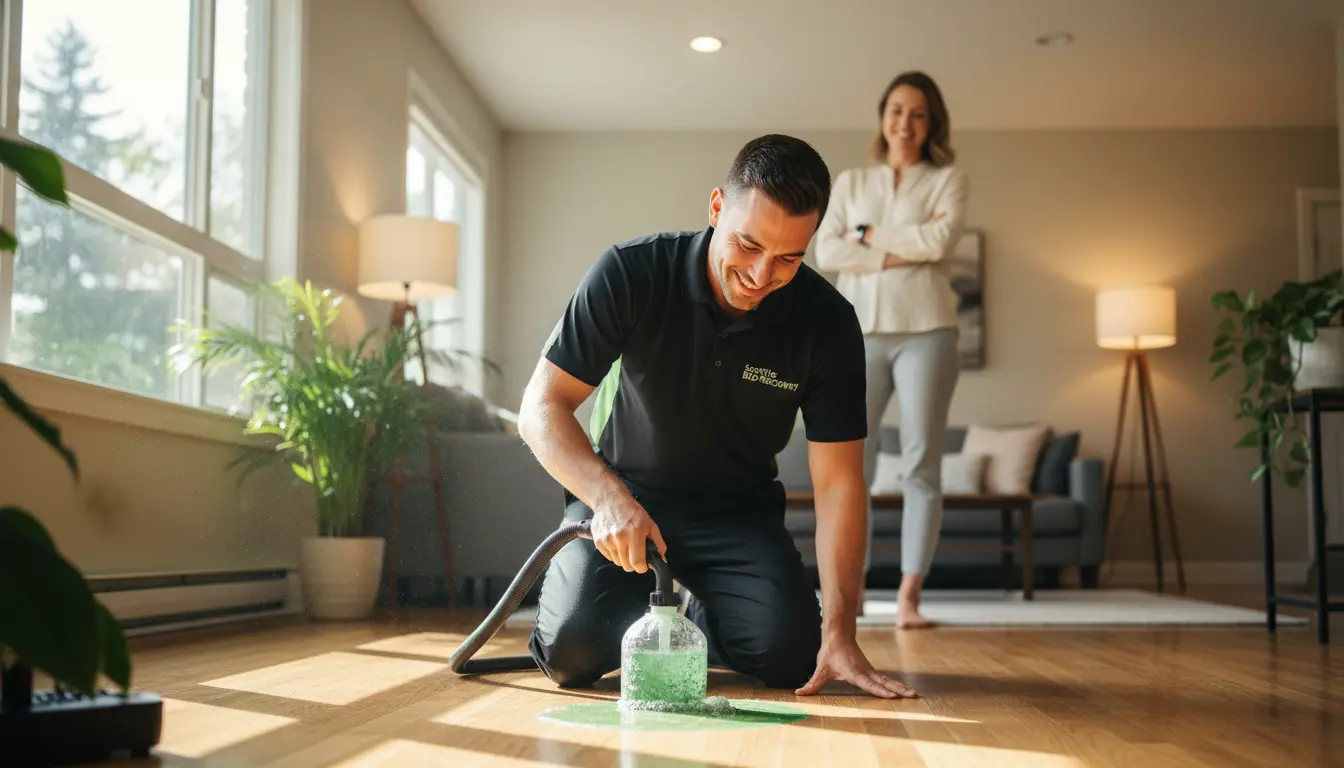
Contrary to popular belief, Seattle’s damp climate is not just a nuisance for residents, but also a significant factor in the acceleration of biological decay, making biohazard cleanup a critical concern for apartment owners and managers. In fact, the unique combination of high humidity and mild temperatures in the Pacific Northwest creates an ideal environment for the growth of bacteria, viruses, and other microorganisms. This is particularly problematic in apartment settings, where shared spaces and proximity to neighbors can increase the risk of cross-contamination. Seattle Apartment Biohazard Cleanup is a specialized service that requires expertise, equipment, and attention to detail to ensure the safe and effective removal of biological hazards.
The importance of professional bio-recovery cannot be overstated, as it not only ensures the health and safety of occupants but also helps to prevent long-term damage to the property. Standard cleaning methods are often insufficient for addressing biohazards, as they may not adequately remove all traces of biological material, leaving behind a risk of re-contamination. In contrast, professional bio-recovery services, such as those offered by Seattle Bio-Recovery, utilize specialized equipment, such as ATP fluorescence meters and HEPA negative air machines, to detect and eliminate biohazards.
Seattle Bio-Recovery is the premier provider of biohazard remediation services in the Seattle area, with a team of certified technicians and a commitment to discretion and compassion. Our expertise extends to a range of services, including Blood Spill Cleanup, Suicide Cleanup Services, and Crime Scene Cleanup. We understand the unique challenges posed by Seattle’s climate and architecture, and our team is equipped to handle even the most complex biohazard situations.
Technical Process
The technical process of bio-recovery involves a step-by-step approach to ensure the safe and effective removal of biological hazards. This begins with an initial assessment of the scene, which includes identifying the type and extent of the biohazard, as well as any potential risks or hazards. Next, the scene is contained to prevent cross-contamination, using techniques such as sealing off affected areas and establishing negative air pressure.
Once the scene is contained, biological material is carefully removed and disposed of in accordance with local regulations and guidelines. This may involve the use of specialized equipment, such as hydroxyl generators, to break down and eliminate organic matter. After removal, the area is thoroughly sanitized using EPA-registered disinfectants, and structural remediation is performed as needed to restore the property to a safe and habitable condition.
In addition to these steps, our team also conducts deodorization and clearance testing to ensure that the area is free from any remaining biohazards. This may involve the use of ATP testing to detect the presence of microorganisms, as well as visual inspections to identify any signs of biological activity.
Data Comparison Table
The following table highlights the key differences between professional bio-recovery and standard cleaning services:
| Feature/Metric | Professional Bio-Recovery | Standard Cleaning/DIY |
|---|---|---|
| Pathogen Elimination | 99.99% effective | Variable, often incomplete |
| Structural Penetration | Comprehensive remediation | Superficial cleaning only |
| Legal/OSHA Compliance | Full compliance with regulations | Often non-compliant, with potential liabilities |
Source: OSHA Bloodborne Pathogens Standard
Expert Insights
One of the most critical aspects of bio-recovery is immediate action. The sooner a biohazard is addressed, the lower the risk of cross-contamination and long-term damage. Our team of experts recommends securing the scene immediately, shutting down HVAC systems to prevent the spread of airborne pathogens, and avoiding the use of household cleaning products, which can often exacerbate the situation.
Common mistakes made by property owners include using household bleach on biological fluids, which can react with the proteins in blood and other bodily fluids to create hazardous compounds. Another mistake is ignoring sub-flooring contamination, which can lead to lingering bio-hazards and severe structural damage. By understanding these risks and taking proactive steps, property owners can help ensure a safe and effective bio-recovery process.
Pricing
The cost of bio-recovery services can vary widely depending on the scope of the incident, the level of contamination, and the extent of remediation required. Factors that influence cost include:
- Bio-hazardous waste disposal fees
- Level of PPE required
- Structural tear-outs and repairs
- Severity of biological fluid spread
Our team works closely with clients to provide transparent, project-based quoting, ensuring that all parties are aware of the costs and scope of work involved.
Safety & Standards
Safety is our top priority, and our team adheres to the highest standards of certification, including ABRA and IICRC. We also follow strict safety protocols, as outlined in OSHA 29 CFR 1910.1030, to ensure the protection of our technicians, clients, and the environment. The use of EPA-registered disinfectants is also crucial, as these products have been proven to effectively eliminate a wide range of pathogens and microorganisms.
FAQ
What is the typical response time for bio-recovery services?
Our team is available 24/7 and can typically respond to biohazard incidents within 1-2 hours, depending on the location and severity of the situation. We understand the importance of prompt action in minimizing the risk of cross-contamination and long-term damage.
Are bio-recovery services covered by homeowner’s insurance?
In many cases, yes, bio-recovery services are covered by homeowner’s insurance. However, it’s essential to review your policy and consult with your insurance provider to determine the extent of coverage and any potential limitations or exclusions.
How do I know if I need bio-recovery services?
If you’ve experienced a traumatic event, such as a crime, accident, or unattended death, it’s crucial to seek professional bio-recovery services to ensure the safe and effective removal of biological hazards. You can also consult our website for more information on 5 signs you need bio-recovery services in Seattle.
What is the difference between bio-recovery and standard cleaning?
Bio-recovery involves the specialized removal and disposal of biological hazards, such as blood, bodily fluids, and other potentially infectious materials. Standard cleaning, on the other hand, is often insufficient for addressing these types of hazards and may not provide the necessary level of protection against cross-contamination and long-term damage.
Conclusion
In conclusion, Seattle Apartment Biohazard Cleanup requires a specialized approach that takes into account the unique challenges posed by the city’s climate and architecture. By understanding the importance of professional bio-recovery and the risks associated with standard cleaning methods, property owners can help ensure a safe and effective remediation process. Our team at Seattle Bio-Recovery is committed to providing compassionate, discreet, and effective biohazard remediation services to the Seattle area. For more information on our services, including crime scene cleanup and unattended death cleanup, please visit our website or contact us directly.
We also invite you to explore our blog for more information on biohazard remediation and related topics, including top tips for post-accident cleanup and essential steps for hoarding cleanup. By choosing Seattle Bio-Recovery, you can trust that your biohazard remediation needs are in the hands of experienced, certified professionals who prioritize your safety, discretion, and satisfaction.